Dals & Curries · North Indian

Dal Makhani

A dal makhani recipe with whole black urad and kidney beans, slow-simmered in a buttery tomato masala and finished with cream. Includes pressure-cooker times.

By The JollyRoses Kitchen · Updated
Prep
15 min
Cook
2 hr 50 min
Total
11 hr 5 min
Serves
6
Vegetarian Medium Main Course Includes 8 hr hands-off
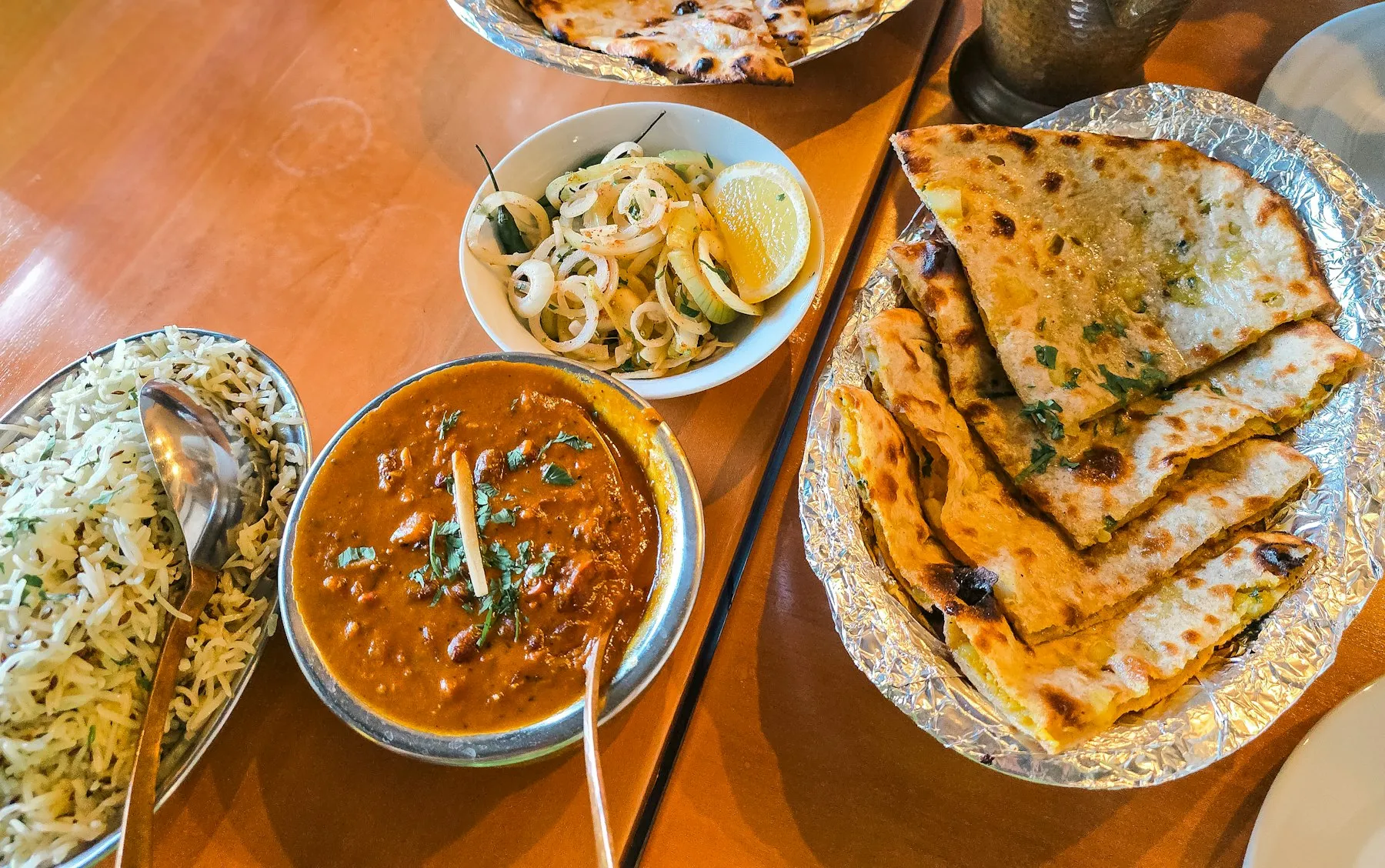
Steel bowl of dark dal makhani with jeera rice, stuffed flatbread and an onion salad on a restaurant table
Photo: Zoshua Colah on Unsplash

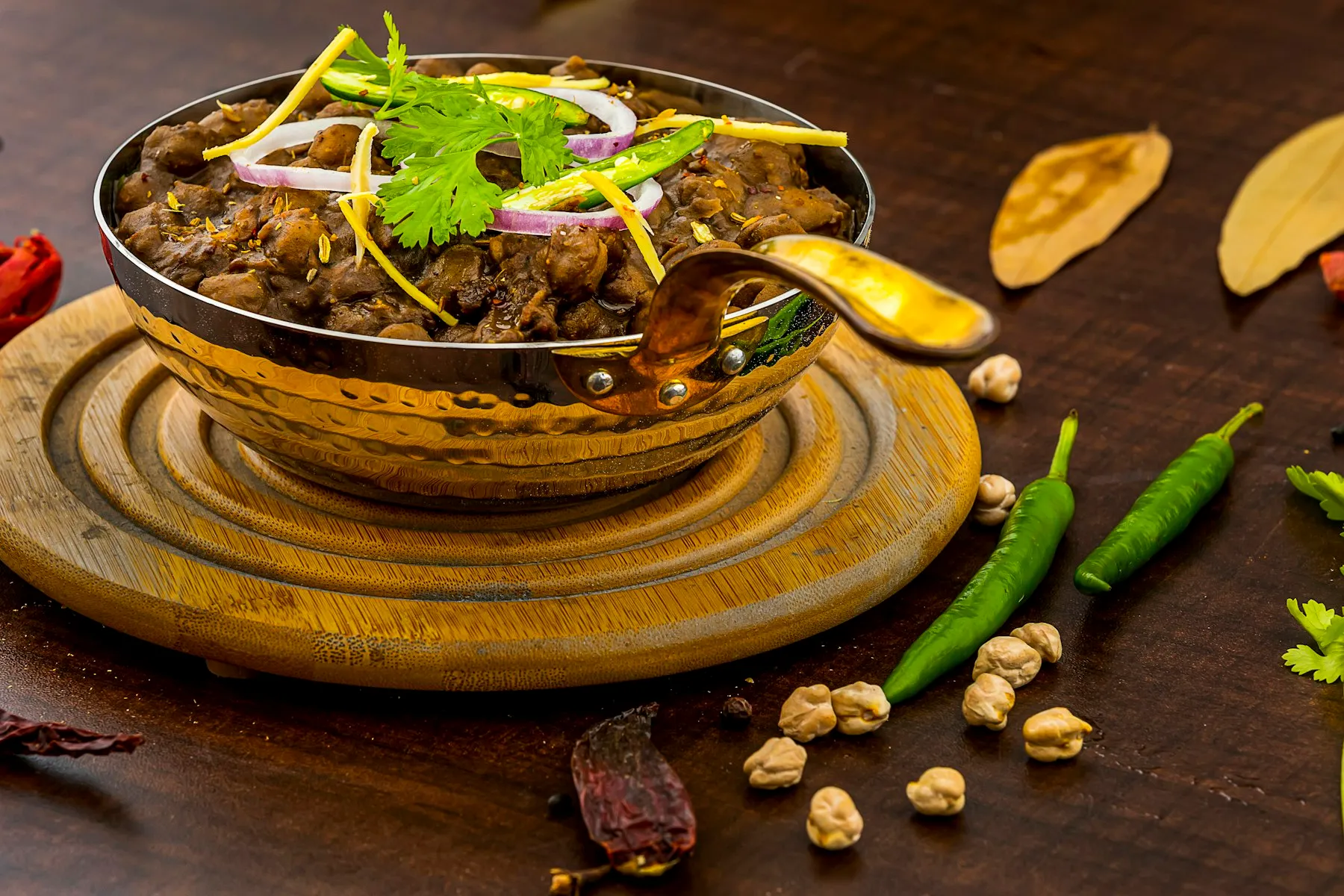
Dal makhani is a Punjabi dish of whole black urad (black gram) and a small amount of red kidney beans, cooked until soft and then simmered slowly in a tomato, butter and cream masala. Long, gentle cooking breaks some of the lentils down, which is what makes it so thick and velvety.

This dal makhani recipe starts with dried beans soaked overnight. Because raw kidney beans contain a natural toxin, they are boiled hard for 30 minutes before the slow simmer. If you have a pressure cooker, use it to cut the bean cooking time; the times are in the steps.

Why this recipe works

  • Whole urad and kidney beans are cooked fully soft first, so the masala simmer only needs to build creaminess.
  • A 30-minute rolling boil makes the kidney beans safe to eat before any gentle cooking begins.
  • Part of the dal is mashed against the pot, which thickens it naturally without flour.
  • Butter, kasuri methi and cream go in at the end so their flavor stays fresh.

Dal Makhani recipe

By The JollyRoses Kitchen · 11 hr 5 min total · Medium

Ingredients

Servings 6

For the beans

For the masala

Equipment

  • Large heavy-bottomed pot or Dutch oven (5–6 quart)
  • Large bowl for soaking
  • Colander
  • Wooden spoon or potato masher
  • Pressure cooker (optional)

Instructions

  1. Soak overnight

    Put the urad and kidney beans in a large bowl and cover with at least 3 inches of cool water. Soak for 8–12 hours or overnight. They will roughly double in size.

  2. Drain and boil hard

    Drain and discard the soaking water and rinse the beans. Put them in the pot with 8 cups of fresh water and the salt. Bring to a full rolling boil and keep it boiling vigorously for at least 30 minutes, skimming off foam. This step destroys the natural toxin in raw kidney beans; never cook them only at a gentle simmer or in a slow cooker.

  3. Simmer until very soft

    Lower the heat, partly cover and simmer for 60–90 minutes more, topping up with hot water so the beans stay covered. They are ready when the urad splits and mashes easily and a kidney bean crushes completely between your fingers. Pressure-cooker option: after draining, cook the soaked beans with 5 cups water and the salt for 30 minutes at high pressure in an electric pressure cooker (or about 25–30 minutes at full pressure on a stovetop cooker), then let the pressure release naturally.

  4. Cook the masala

    While the beans finish, melt 2 tablespoons of the butter with the oil in a second large, heavy pot over medium heat. Add the cumin and let it sizzle for 30 seconds, then add the onion and cook until golden, 8–10 minutes. Stir in the ginger-garlic paste and green chili and cook for 1 minute.

  5. Add the tomato

    Add the tomato purée, chili powder and salt. Cook, stirring often, until the masala thickens, darkens and the fat starts to separate at the edges, 10–12 minutes.

  6. Simmer the dal

    Add the cooked beans with their cooking liquid and stir. Mash about a quarter of them against the side of the pot with the spoon or a masher. Add hot water as needed so the dal is loose and pourable. Simmer uncovered on low for 30–45 minutes, stirring every few minutes and scraping the bottom, until thick and creamy.

  7. Finish with butter and cream

    Stir in the kasuri methi, garam masala, cream and the remaining 2 tablespoons of butter. Simmer gently for 5 minutes more. Taste for salt, then serve drizzled with a little extra cream.

Tips for the best dal makhani

  • Do not shorten the hard boil. Kidney beans that are soaked but not boiled vigorously can cause severe stomach upset, even in small amounts.
  • Make sure the beans are completely soft before adding them to the masala. Tomato and salt slow down softening, so undercooked beans will stay firm.
  • Stir and scrape the bottom often during the slow simmer; thick dal sticks and scorches easily. A heavy pot helps.
  • Dal makhani thickens as it stands and tastes even better the next day. Loosen it with hot water when reheating.
  • For a gentle smoky flavor, place a small steel bowl on the finished dal, add a piece of red-hot charcoal, drizzle it with ghee, and cover the pot for 2–3 minutes (dhungar method). Do this only with good ventilation.

Substitutions

Dried kidney beansAbout ½ cup drained canned kidney beans (already cooked, so no hard boil is needed for them); add them to the masala with the cooked urad.
Heavy creamHalf-and-half, or whole milk simmered in for a lighter dal. Add it off high heat so it does not split.
ButterGhee, which gives a nuttier flavor. Butter gives the classic finish, so you can also use half of each.
Stovetop bean cookingA pressure cooker, as in step 3, which cuts the bean cooking time to about 30 minutes plus release time.

Storing and reheating

Cool and refrigerate in an airtight container within 2 hours of cooking; eat within 4 days. It freezes well for up to 3 months. Reheat over low heat with a splash of water, stirring, until steaming hot throughout.

What to serve with dal makhani

Frequently asked questions

What is dal makhani made of?
Dal makhani is made with whole black urad (black gram) and a small amount of red kidney beans, cooked in a tomato, onion, ginger and garlic masala, and finished with butter, cream and dried fenugreek leaves.
Is it safe to cook kidney beans in dal makhani?
Yes, as long as they are soaked, drained and boiled vigorously in fresh water first. US FDA guidance calls for at least 30 minutes of boiling; pressure cooking until fully soft also works. Do not cook raw kidney beans only in a slow cooker or at a gentle simmer.
How long do you soak beans for dal makhani?
Soak the whole urad and kidney beans for 8–12 hours, or overnight. Always drain and discard the soaking water before cooking.
Why is my dal makhani not creamy?
Usually the beans were not cooked soft enough or the dal was not simmered long enough after combining. Cook the beans until they mash easily, mash some of them, and give the dal a long, slow simmer before adding the cream.
What is the difference between dal makhani and dal tadka?
Dal makhani uses whole black urad and kidney beans with butter and cream, simmered slowly. Dal tadka is usually made with split yellow lentils such as toor or moong, cooks quickly, and is finished with a tempering of spices in ghee.
What do you serve with dal makhani?
Jeera rice and naan are classic pairings. It is also good with plain basmati, parathas, raita and a simple onion salad.

Rate this recipe

Made it? Tap a star to rate — no sign-up needed.

Reviews

No reviews yet.

Sign in to write a review and share a photo of your dal makhani.

You might also like

All dals & curries
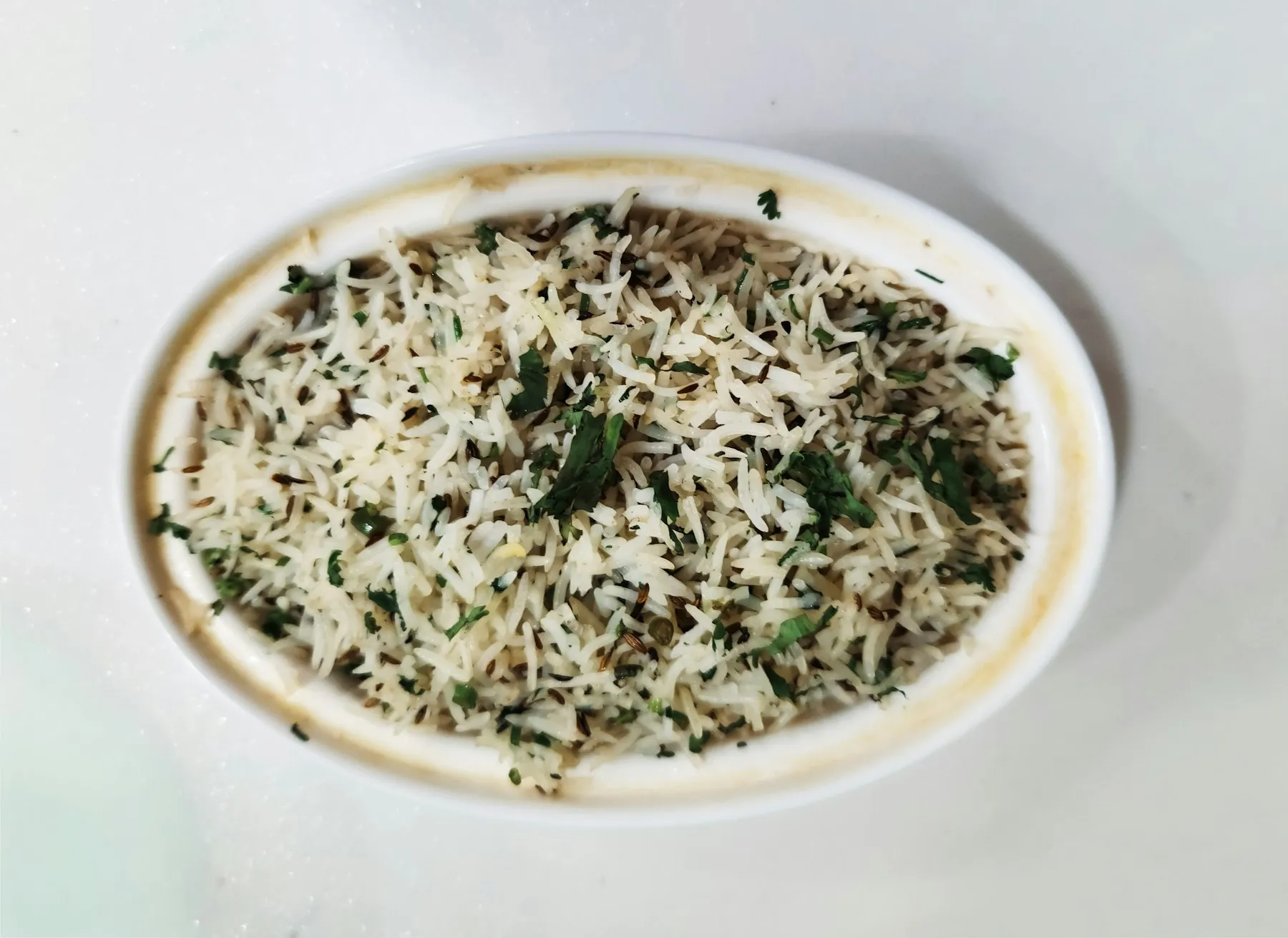
White oval dish of basmati rice flecked with cumin seeds and chopped cilantro
VegetarianNorth Indian

Jeera Rice

1 hr 5 min Easy Serves 4