Dals & Curries · North Indian

Rajma Chawal (Punjabi Rajma Recipe)

A Punjabi rajma recipe: soft kidney beans in a thick onion-tomato gravy, served over basmati as rajma chawal. Includes safe soaking and boiling steps.

By The JollyRoses Kitchen · Updated
Prep
15 min
Cook
2 hr 20 min
Total
10 hr 35 min
Serves
4
Vegan Medium Main Course Includes 8 hr hands-off
Teal plate of kidney bean curry around a mound of cumin rice, garnished with mint and tomato, with chutney and butter behind
Photo: Deepal Tamang on Unsplash

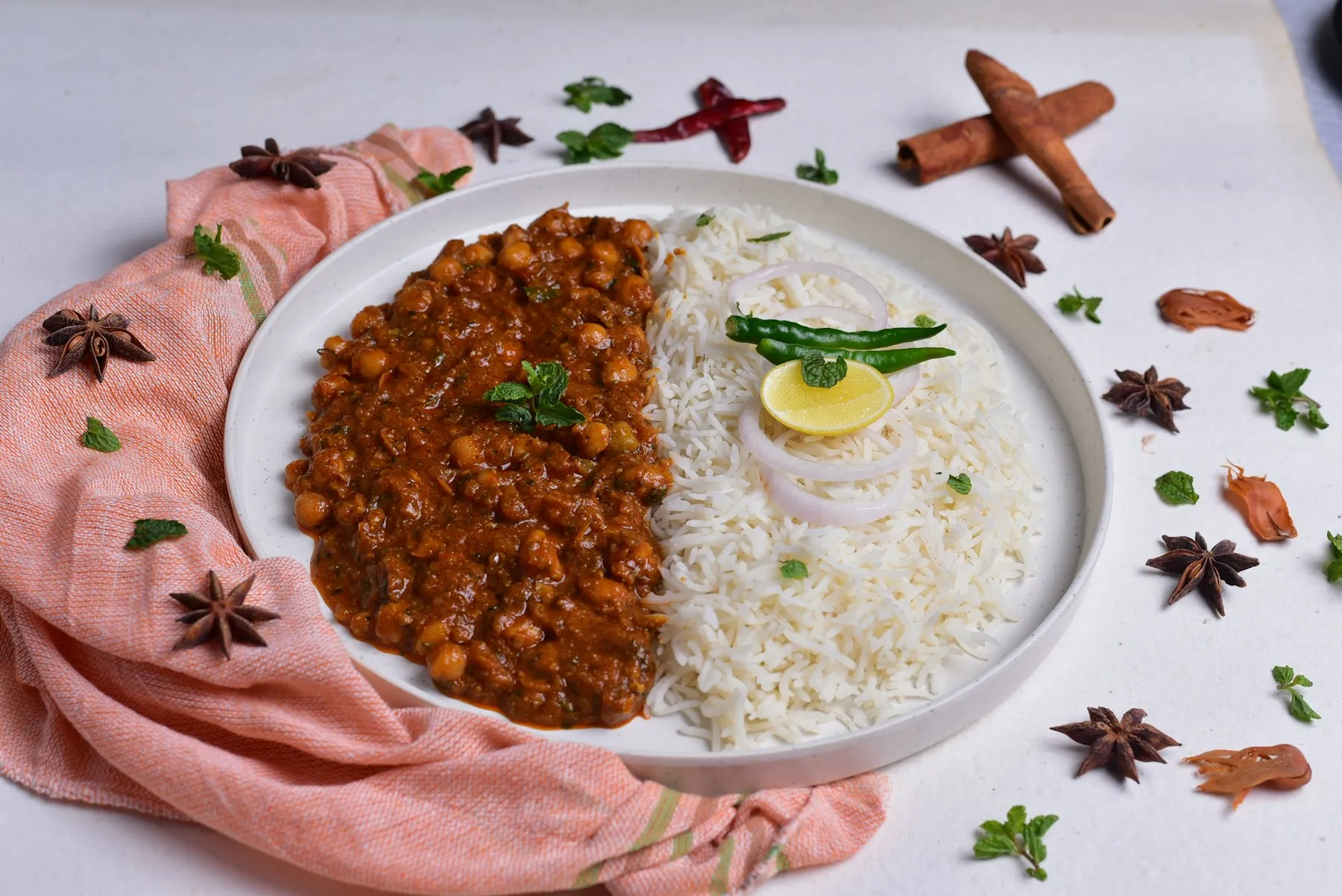
Rajma is a Punjabi curry of red kidney beans simmered in a thick onion, tomato, ginger and garlic gravy. Spooned over steamed basmati it becomes rajma chawal (chawal means rice), a popular home-style meal across North India.

This rajma recipe starts with dried beans. Raw kidney beans contain a natural toxin, so they must be soaked, drained and boiled hard in fresh water for at least 30 minutes before simmering. The steps below build that in, with a pressure-cooker option to save time.

Why this recipe works

  • Safe bean cooking is built in: overnight soak, fresh water, then a 30-minute rolling boil.
  • Beans are cooked until creamy inside before they meet the tomato, which would otherwise keep them firm.
  • Mashing some beans into the gravy gives the thick, clingy texture rajma chawal needs.
  • Fluffy basmati is cooked by the absorption method while the rajma simmers.

Rajma Chawal (Punjabi Rajma Recipe) recipe

By The JollyRoses Kitchen · 10 hr 35 min total · Medium

Ingredients

Servings 4

For the rajma (kidney beans)

For the gravy

For the rice (chawal)

Equipment

  • Large heavy-bottomed pot or pressure cooker
  • Medium saucepan with a tight-fitting lid (for the rice)
  • Large bowl for soaking
  • Blender or grater for the tomatoes
  • Fine-mesh strainer

Instructions

  1. Soak the kidney beans

    Cover the beans with at least 3 inches of cool water and soak for 8–12 hours or overnight (at least 5 hours). Drain and discard the soaking water, then rinse the beans.

  2. Boil the beans hard (do not skip)

    Put the beans in a large pot with 6 cups of fresh water and the salt. Bring to a full rolling boil and keep boiling vigorously for at least 30 minutes, skimming off foam. Raw kidney beans contain a natural toxin (phytohaemagglutinin) that is destroyed by thorough boiling or pressure cooking, not by gentle heat. Never cook raw kidney beans in a slow cooker or at a gentle simmer alone.

  3. Simmer until creamy

    Reduce the heat, partly cover and simmer for 45–60 minutes more, until the beans are soft and creamy inside and crush easily. Keep the cooking liquid. Pressure-cooker option: after draining the soaked beans, cook them with 4 cups fresh water and the salt for 30 minutes at high pressure in an electric pressure cooker (or about 25 minutes at full pressure on a stovetop cooker) and release naturally. Either way, the beans must be completely soft.

  4. Cook the masala

    Heat the oil in a second heavy pot over medium heat. Add the cumin and bay leaf and let them sizzle for 30 seconds. Add the onions and cook, stirring often, until golden brown, 10–12 minutes. Stir in the ginger, garlic and green chili and cook for 1 minute.

  5. Add tomatoes and spices

    Add the tomato purée, turmeric, chili powder, coriander and ground cumin. Cook, stirring often, until the masala is thick and glossy and the oil separates at the edges, 10–12 minutes.

  6. Simmer the rajma

    Add the cooked beans with about 2 cups of their cooking liquid and the salt. Mash a ladleful of beans against the side of the pot. Simmer uncovered on low for 20–25 minutes, stirring now and then, until the gravy is thick and creamy. Add more cooking liquid or hot water if it gets too thick.

  7. Cook the rice

    While the rajma simmers, drain the soaked basmati. Bring 2¼ cups water and the salt to a boil in the saucepan, add the rice, stir once and return to a boil. Cover tightly, reduce to the lowest heat and cook for 12 minutes, then turn off the heat and rest, covered, for 10 minutes. Fluff with a fork.

  8. Finish and serve as rajma chawal

    Stir the garam masala and kasuri methi into the rajma and simmer 2 minutes more; taste for salt. To serve, spoon a mound of rice onto each plate or shallow bowl and ladle the rajma over and around it. Scatter with cilantro.

Tips for the best rajma chawal (punjabi rajma recipe)

  • Test a few beans before adding them to the masala. Any that are firm or chalky in the middle need more cooking; undercooked kidney beans are unsafe as well as unpleasant.
  • Old dried beans can take much longer to soften. Buy from a store with good turnover and use within a year.
  • Do not add the tomato masala until the beans are fully soft. Acid and salt slow down softening.
  • Rajma tastes better after resting; make it a day ahead and reheat with a splash of water.
  • For gluten-free rajma, skip asafoetida (hing) if you use it, as most brands contain wheat flour, or choose a certified gluten-free one.

Substitutions

Dried kidney beansTwo 15-ounce cans of red kidney beans, drained and rinsed. Canned beans are already cooked, so skip the soaking and boiling and simmer them in the masala with water for 20 minutes.
Neutral oilGhee, or a spoonful of butter stirred in at the end (the dish is then vegetarian, not vegan).
Fresh tomatoes1¼ cups canned tomato purée or crushed tomatoes.
Basmati riceJeera rice for a more aromatic plate, or any long-grain white rice.

Storing and reheating

Cool and refrigerate the rajma and rice in separate airtight containers within 2 hours of cooking (aim for 1 hour for the rice). Eat the rajma within 4 days and the rice within 3 days. Rajma freezes well for up to 3 months. Reheat until steaming hot throughout.

What to serve with rajma chawal (punjabi rajma recipe)

Frequently asked questions

Are kidney beans safe to eat after soaking?
Not on their own. Soaking does not remove the natural toxin in raw red kidney beans. After soaking, drain them and boil vigorously in fresh water: US FDA guidance is at least 30 minutes of boiling (UK guidance is at least 10). Pressure cooking until fully soft also makes them safe.
Can I cook rajma in a slow cooker?
Not from raw. Slow cookers may not get hot enough to destroy the toxin in kidney beans, and warming them without boiling can make it worse. Boil soaked beans hard for at least 30 minutes first, or use canned beans, before slow cooking.
How long do you soak rajma?
Soak dried kidney beans for 8–12 hours or overnight, and for at least 5 hours. Discard the soaking water and cook in fresh water.
What is rajma chawal?
Rajma chawal is a Punjabi meal of rajma (kidney bean curry) served over chawal (steamed rice). Many North Indian families think of it as a weekend lunch favorite.
How do I make rajma gravy thicker?
Cook the beans until very soft, mash a ladleful of them into the gravy, and simmer uncovered for a few more minutes. The gravy also thickens as it stands.
Is rajma vegan?
Rajma made with oil, as in this recipe, is vegan. Versions finished with ghee, butter or cream are vegetarian.

Rate this recipe

Made it? Tap a star to rate — no sign-up needed.

Reviews

No reviews yet.

Sign in to write a review and share a photo of your rajma chawal (punjabi rajma recipe).

You might also like

All dals & curries
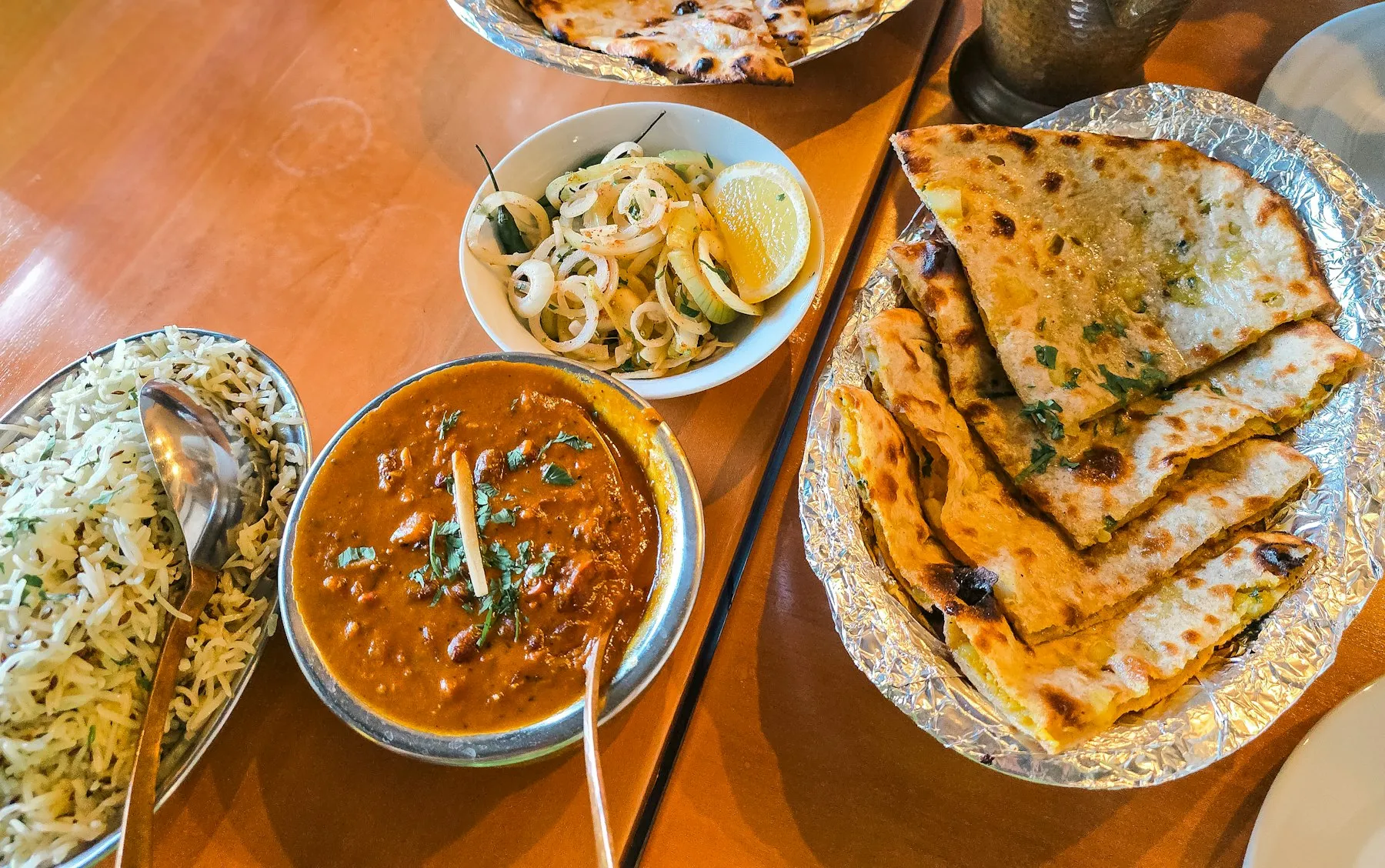
Steel bowl of dark dal makhani with jeera rice, stuffed flatbread and an onion salad on a restaurant table
VegetarianNorth Indian

Dal Makhani

11 hr 5 min Medium Serves 6
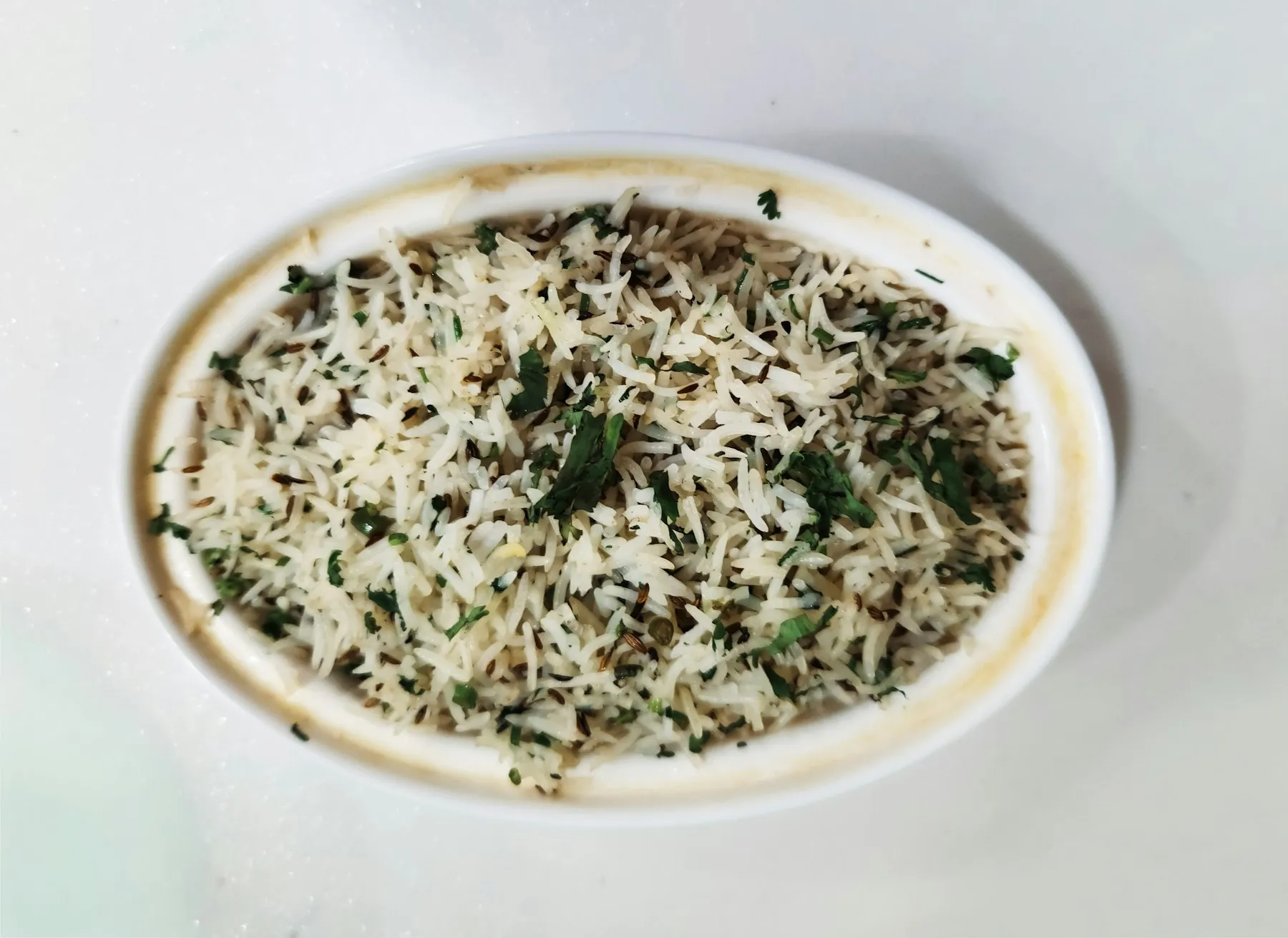
White oval dish of basmati rice flecked with cumin seeds and chopped cilantro
VegetarianNorth Indian

Jeera Rice

1 hr 5 min Easy Serves 4