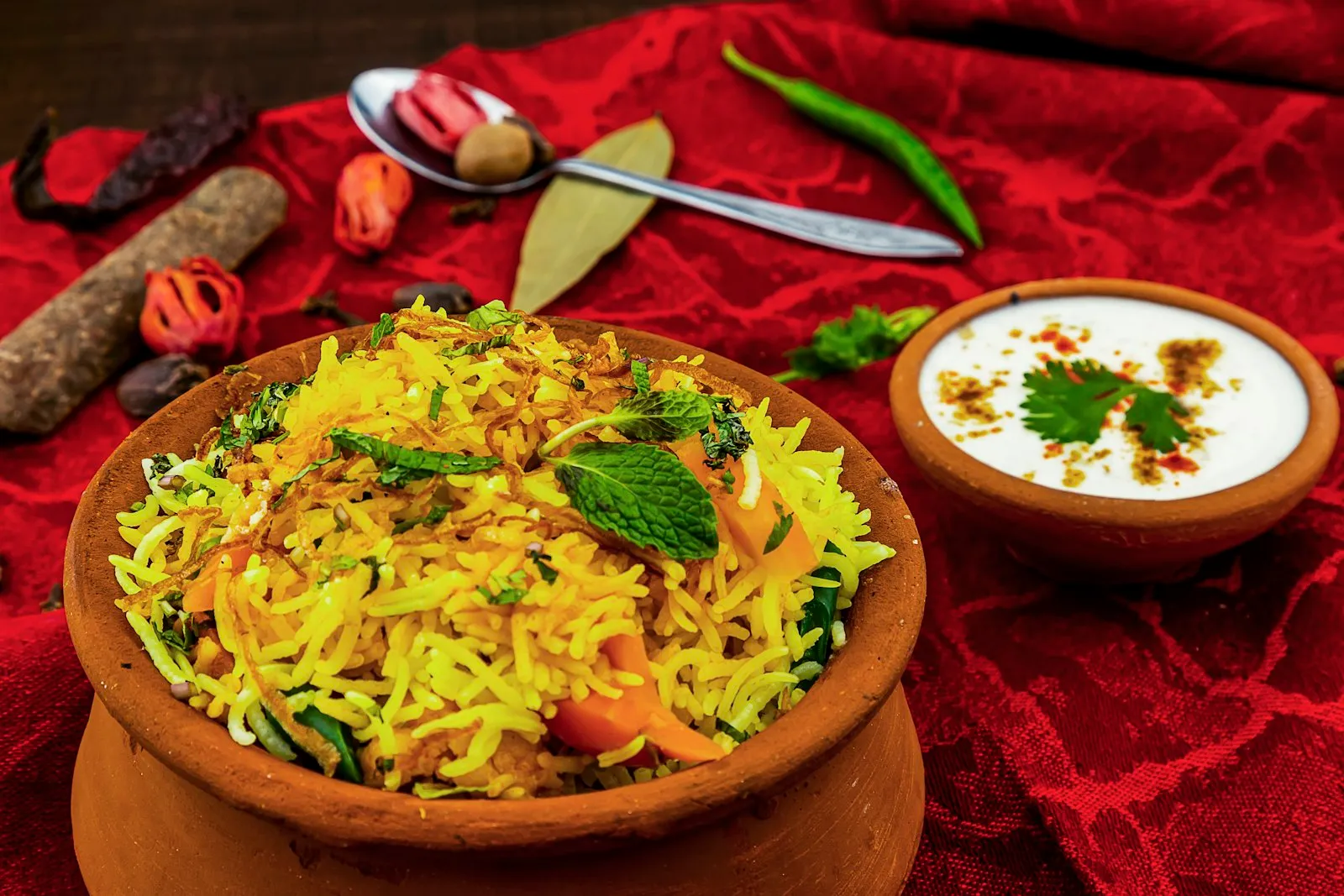
Food guide

North Indian Food: A Beginner's Guide to the Regions, Breads and Classic Dishes

North Indian food is the cooking of the country's northern plains and mountains, from Punjab and Delhi to Uttar Pradesh, Rajasthan and Kashmir. Much of what restaurants abroad serve as "Indian food" comes from here: wheat breads like naan and roti, dishes cooked in the tandoor, paneer, and slow-simmered dals finished with butter or cream.

This guide covers the main regional styles, the role of wheat, dairy and the tandoor, the dals and curries people cook at home, and the rice dishes that go with them. It ends with a pantry list and the JollyRoses recipes to try first.

By The JollyRoses Kitchen · Updated · 12 recipes
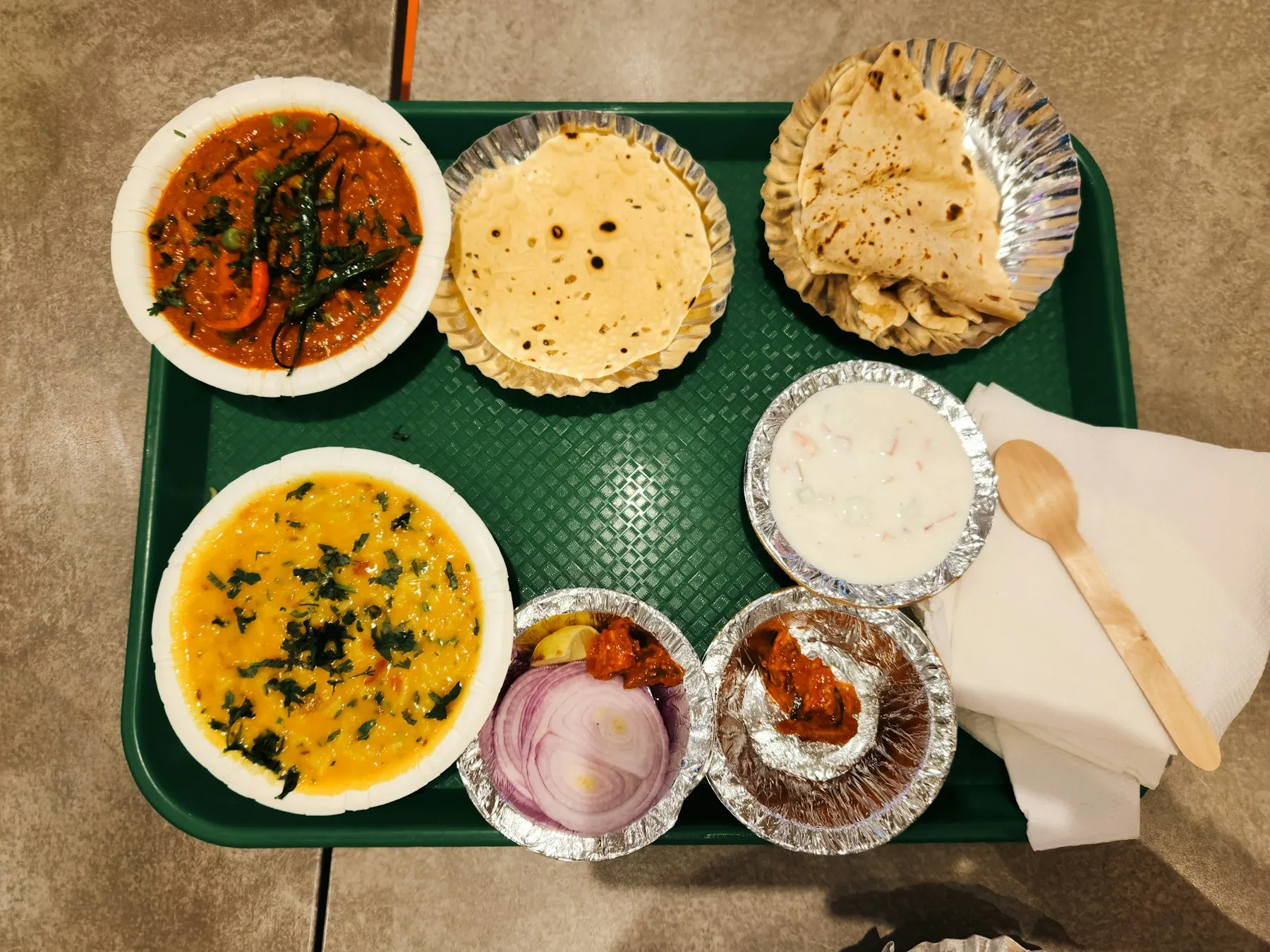
Green tray with curry, dal khichdi, chapatis, raita, onion and pickle
Photo: Zoshua Colah on Unsplash

The regions of North Indian cooking

North India is large, and its food is far from uniform. These are the styles most people mean when they talk about North Indian cooking.
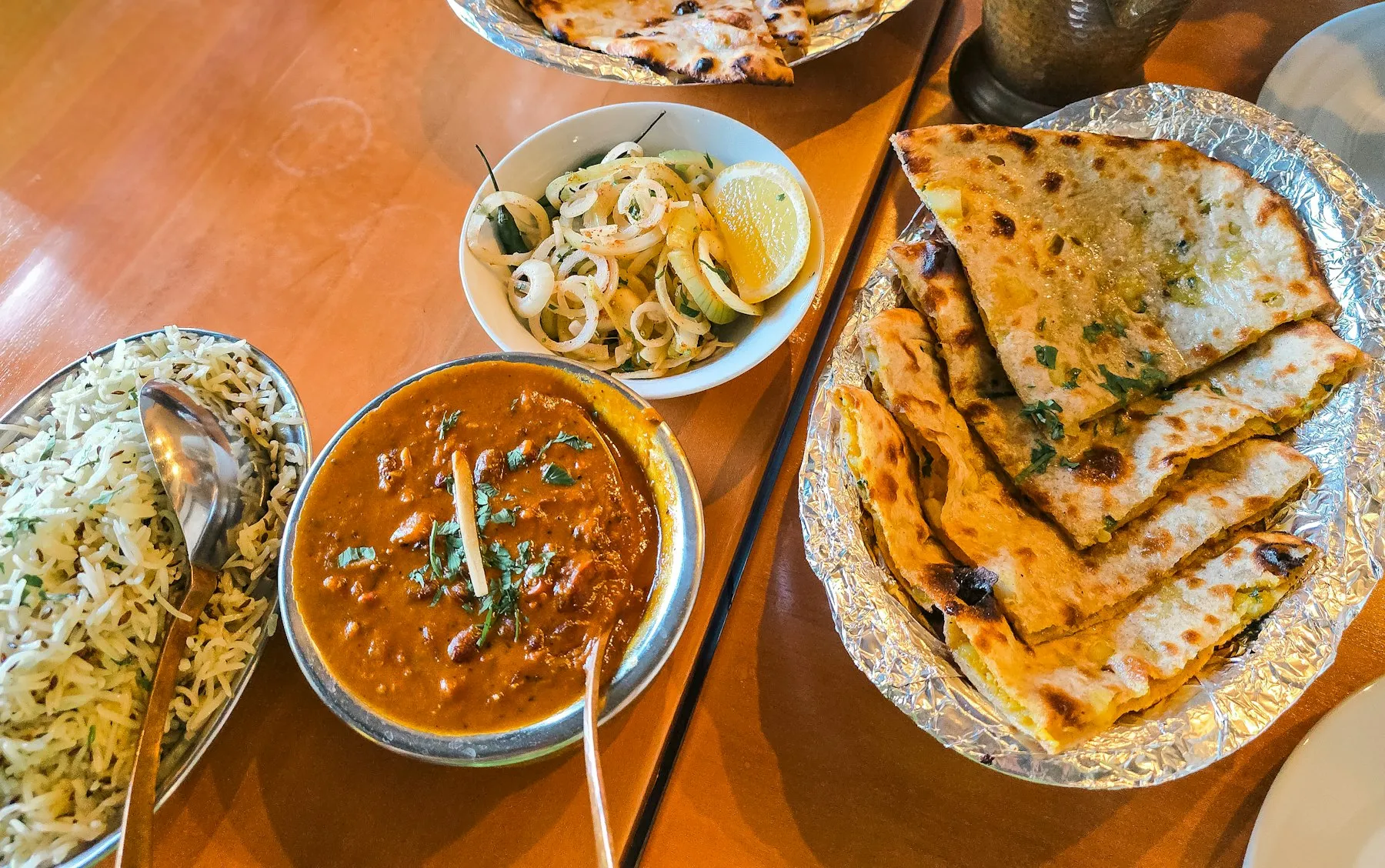
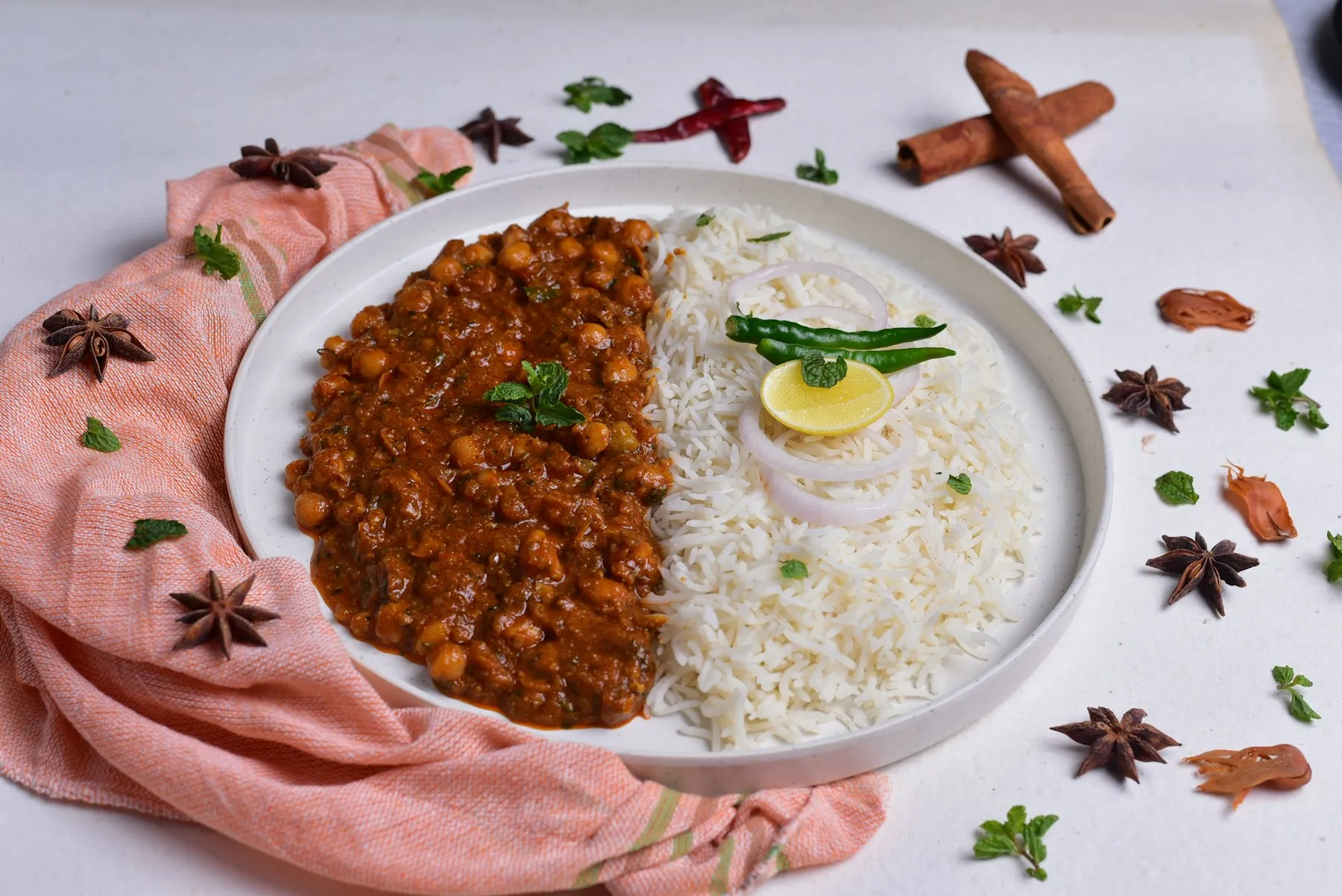
  • Punjab: a farming region, divided between India and Pakistan, known for wheat, dairy and the tandoor. Rajma, chole, kadhi and sarson da saag with makki di roti are among its best-known dishes.
  • Delhi: the capital's food mixes Mughlai traditions with street food and, since 1947, a strong Punjabi influence brought by people who moved there after Partition. Several restaurant classics, including dal makhani, are traced to Delhi kitchens.
  • Uttar Pradesh and Lucknow (Awadhi cuisine): the court cooking of Awadh, centered on Lucknow, is known for dum pukht, slow cooking in a sealed pot, along with delicate kebabs, kormas and biryani. It is generally described as more subtle than Mughlai cooking.
  • Rajasthan: a desert state where scarce water and fresh vegetables shaped the food. Wheat and millets, not rice, are the staples, ghee is used generously, and dal baati churma is the signature dish.
  • Kashmir: a notable exception to the wheat rule. Rice is the everyday staple, meat dishes such as rogan josh are central, and the wazwan is a celebrated multi-course feast.
Steel bowl of dark dal makhani with jeera rice, stuffed flatbread and an onion salad on a restaurant table
VegetarianNorth Indian

Dal Makhani

11 hr 5 min Medium Serves 6

Wheat breads and the place of rice

Across much of the north, wheat is the everyday grain. Roti (also called chapati) is a simple whole-wheat flatbread cooked on a griddle, paratha is layered or stuffed and cooked with ghee, naan is a leavened bread baked in the tandoor, and bhature are deep-fried breads served with chole.

Rice still matters, though. Punjab grows basmati, and pairings such as rajma chawal and kadhi chawal (chawal means rice) are much-loved comfort meals. Rice tends to be the choice for these saucy dals, for pulao and for biryani, while breads go with drier dishes and kebabs.

Dairy: ghee, paneer, yogurt and cream

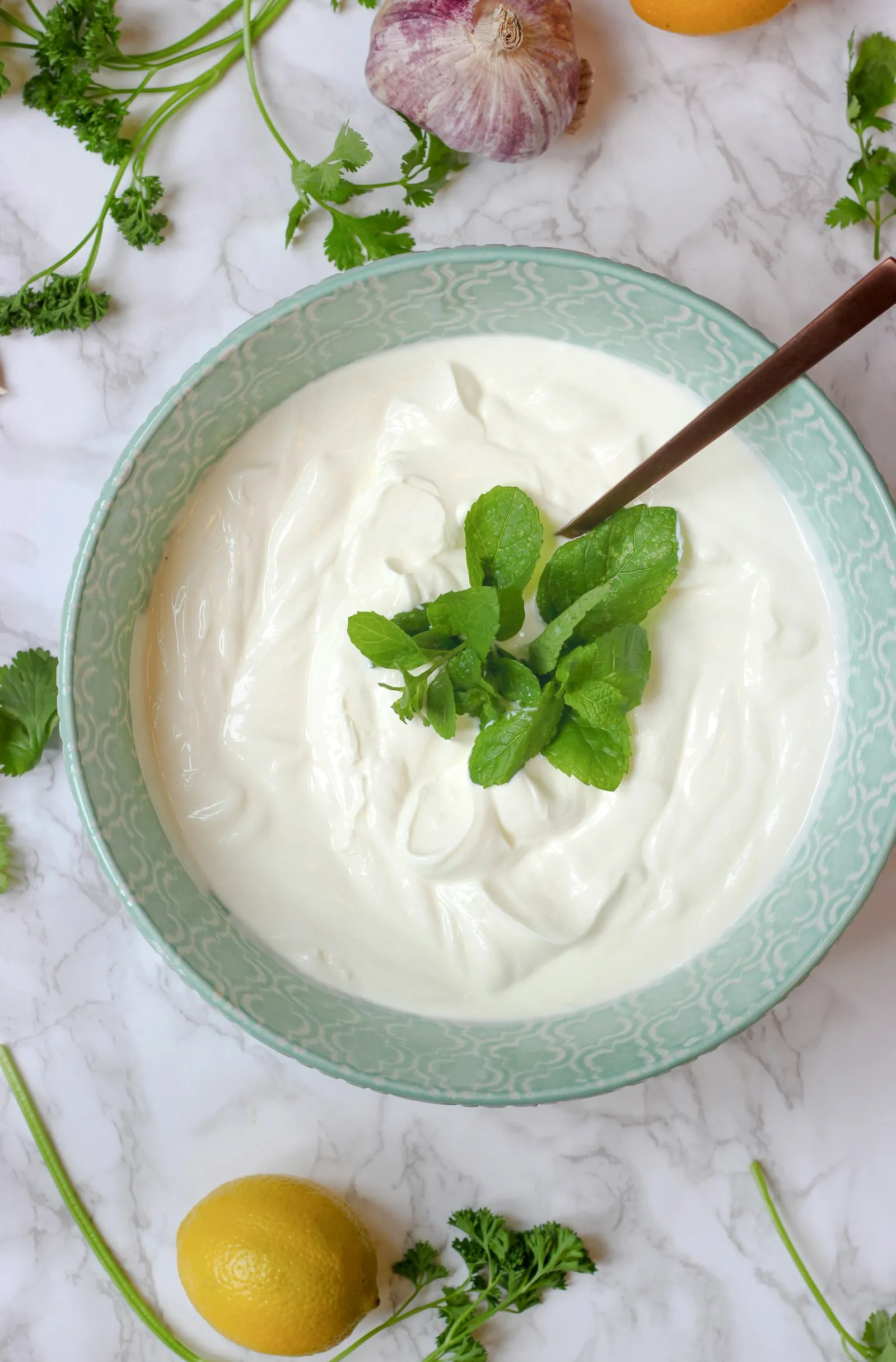
Dairy runs through North Indian cooking. Ghee, clarified butter, is used for cooking and for finishing dals. Paneer, a fresh cheese that holds its shape when heated, is the main protein in many vegetarian dishes. Yogurt, called dahi or curd, goes into marinades, kadhi and raita, and lassi is a yogurt drink. Butter and cream enrich restaurant-style gravies, as in dal makhani.

Home cooking is often lighter than restaurant versions. A weeknight dal may get only a spoonful of ghee, while the restaurant style is noticeably richer.
The tandoor

The tandoor is a clay oven that reaches very high heat, traditionally fired with wood or charcoal. It comes from the Punjab region, where shared village tandoors were long a social gathering place. After Partition in 1947, Punjabi cooks helped spread tandoori cooking to Delhi and beyond.

Naan is baked by slapping the dough against the hot inner wall, which gives it its teardrop shape and blistered surface. Tandoori chicken and many kebabs are cooked on skewers lowered into the oven. Most home cooks don't have a tandoor, so they use a very hot oven, broiler, grill or cast-iron pan instead.

Dals and curries: dal makhani, rajma, chole and kadhi

Legume dishes are the backbone of everyday North Indian meals, and four of them come up again and again.

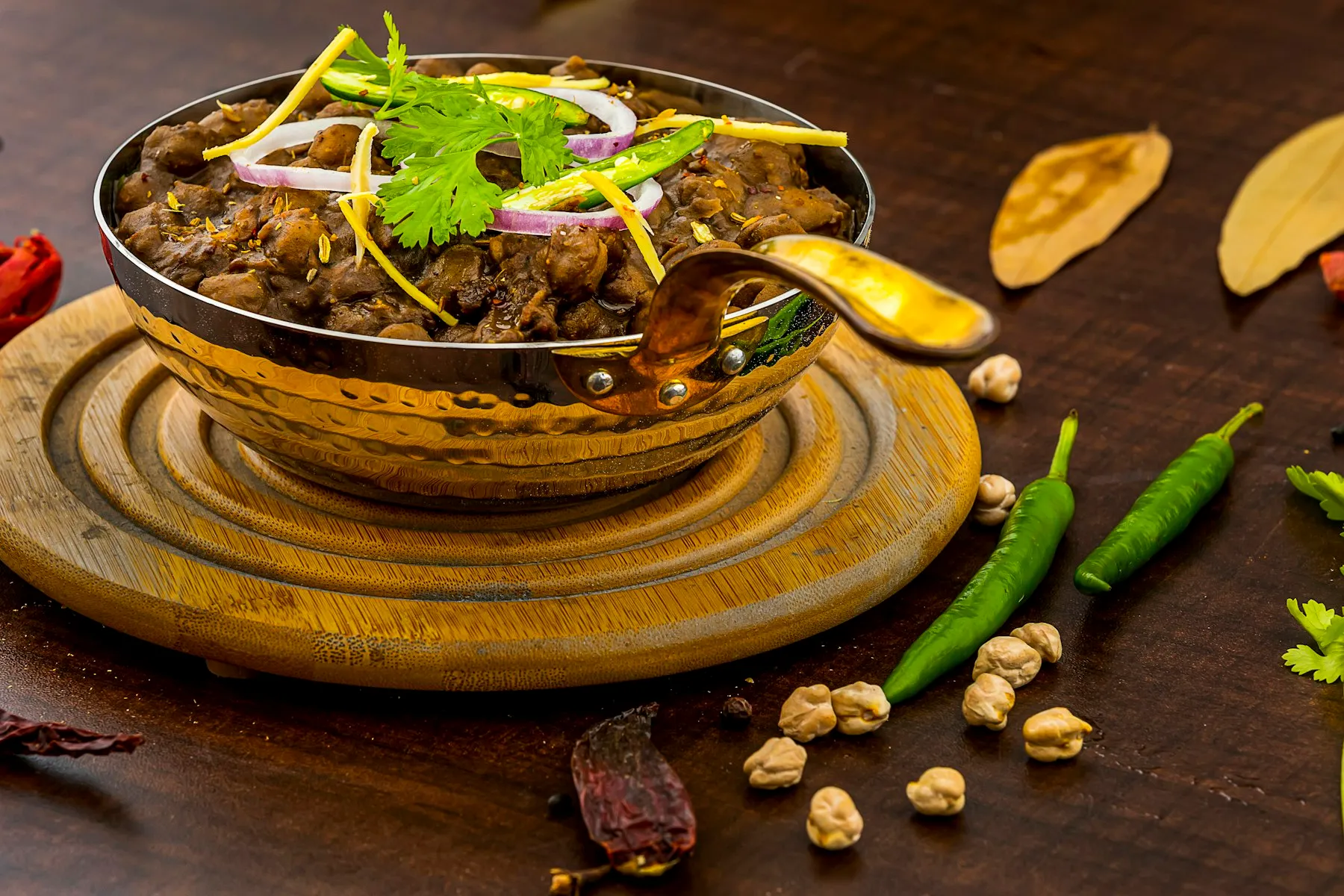
Dal makhani is whole black urad dal and red kidney beans, simmered slowly and finished with butter and cream. Most accounts credit its creation to the Moti Mahal restaurant in Delhi in the years after Partition. Rajma is red kidney beans in a thick onion-tomato gravy, and rajma chawal, rajma over rice, is a Punjabi comfort classic. Chole is a spiced chickpea curry eaten with bhature, kulcha or rice. Kadhi is a tangy curry of yogurt thickened with gram flour (besan), often with pakoras (fritters) in it in the Punjabi style, and served with rice as kadhi chawal.
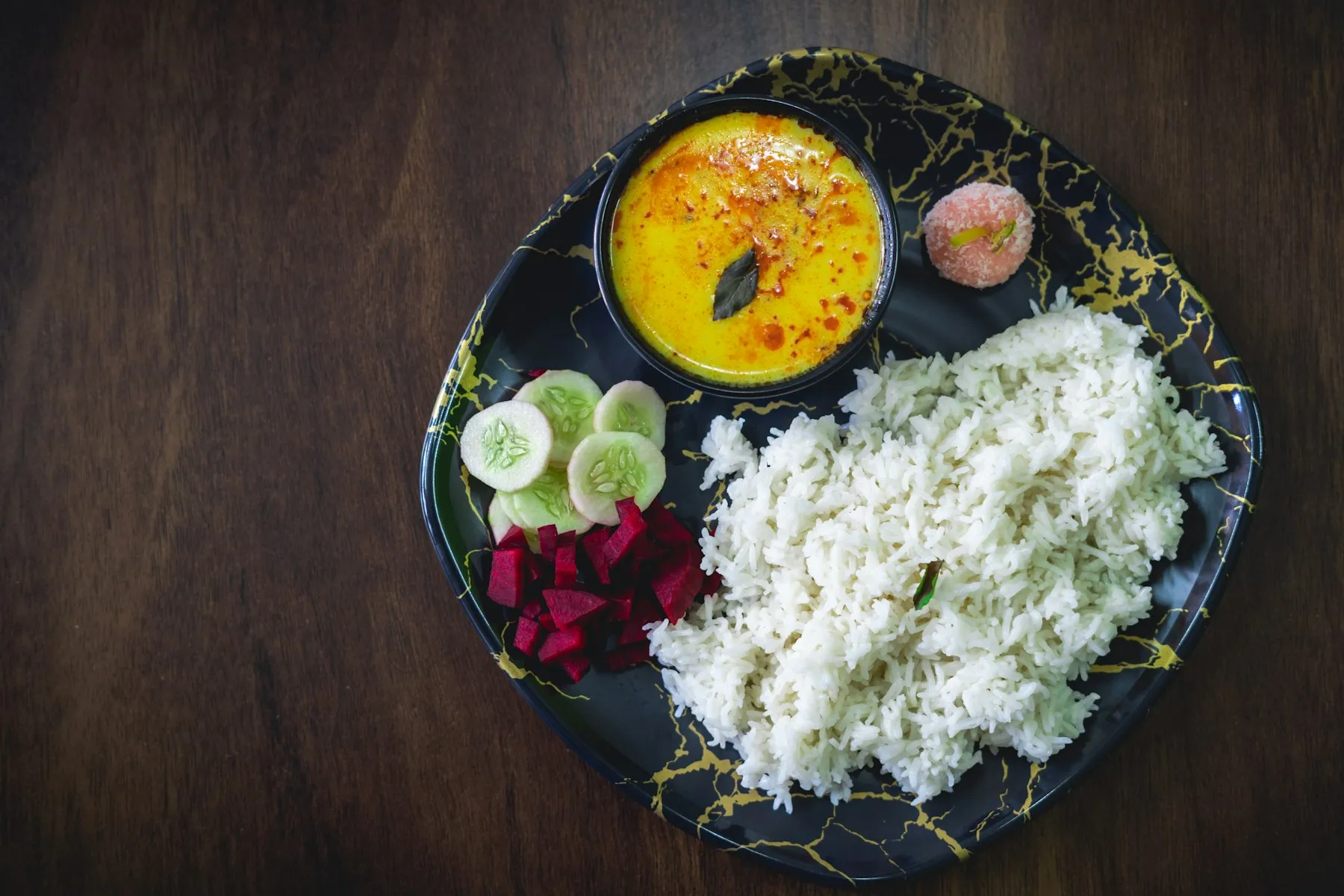
Steel bowl of dark dal makhani with jeera rice, stuffed flatbread and an onion salad on a restaurant table
VegetarianNorth Indian

Dal Makhani

11 hr 5 min Medium Serves 6

North Indian rice dishes

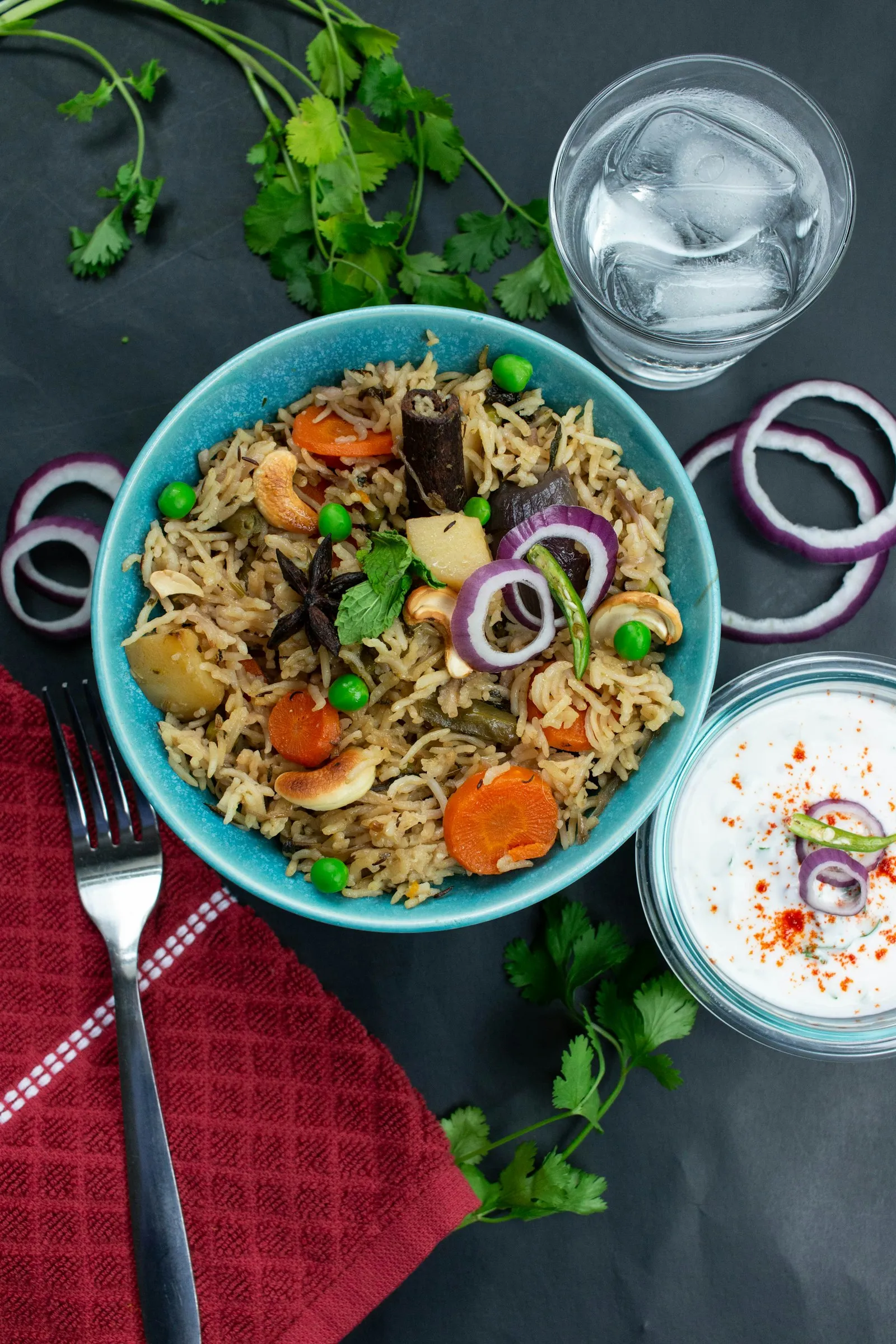
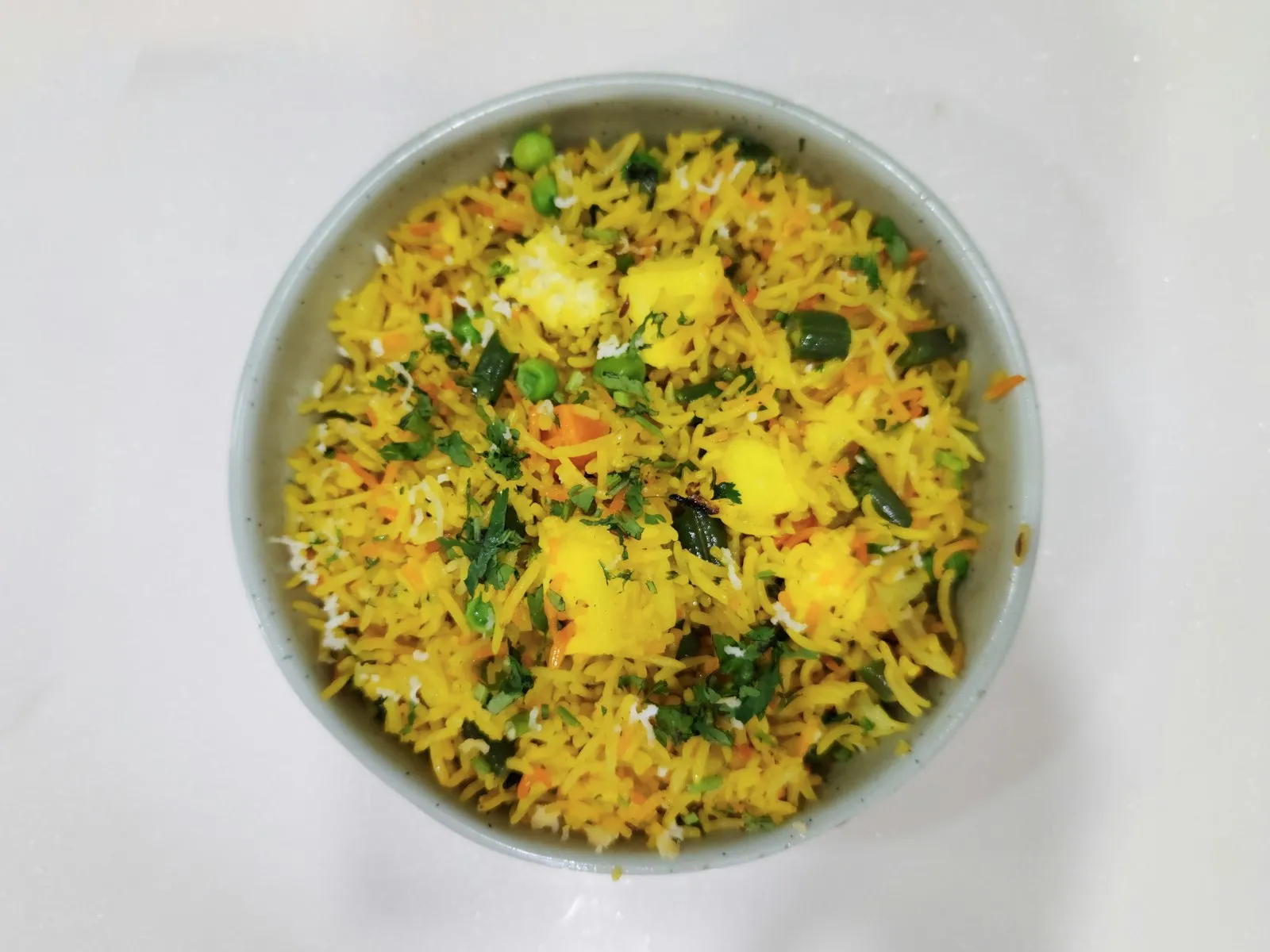
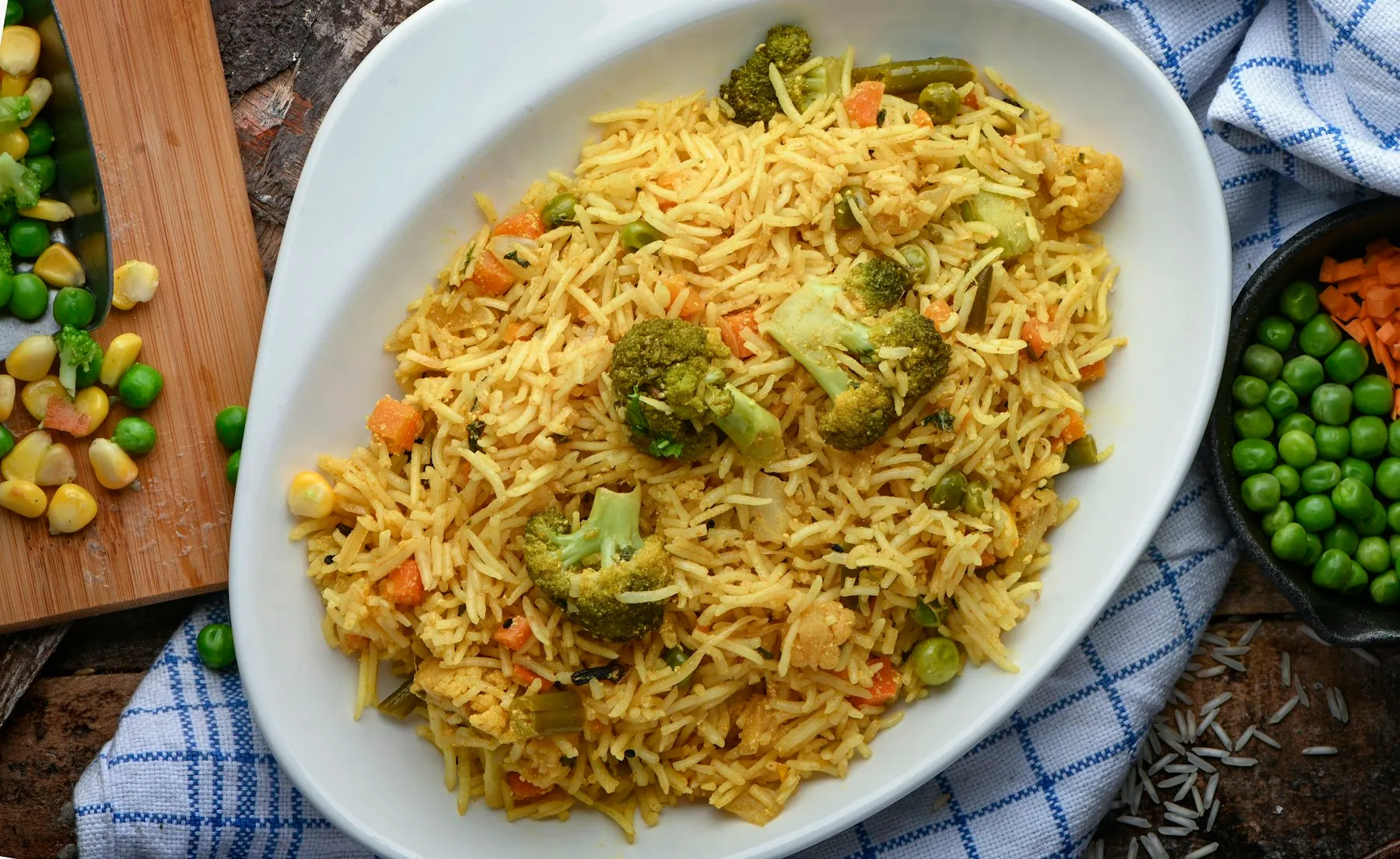
North Indian rice dishes usually start with basmati. Jeera rice is basmati cooked with cumin seeds fried in ghee or oil, a simple side for dal and curry. Pulao cooks rice with whole spices and often vegetables in a single pot, so the rice absorbs the flavor as it cooks.

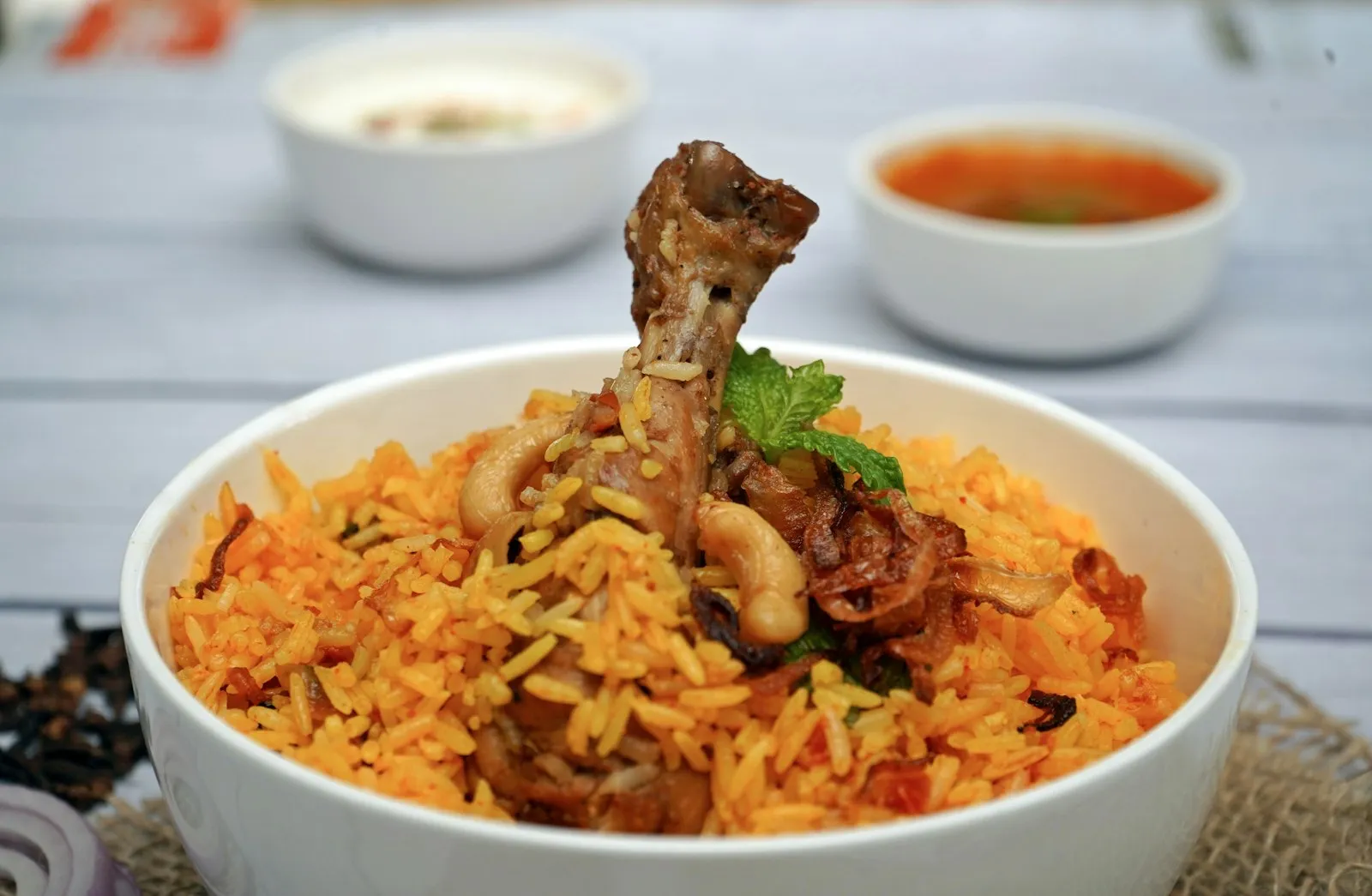
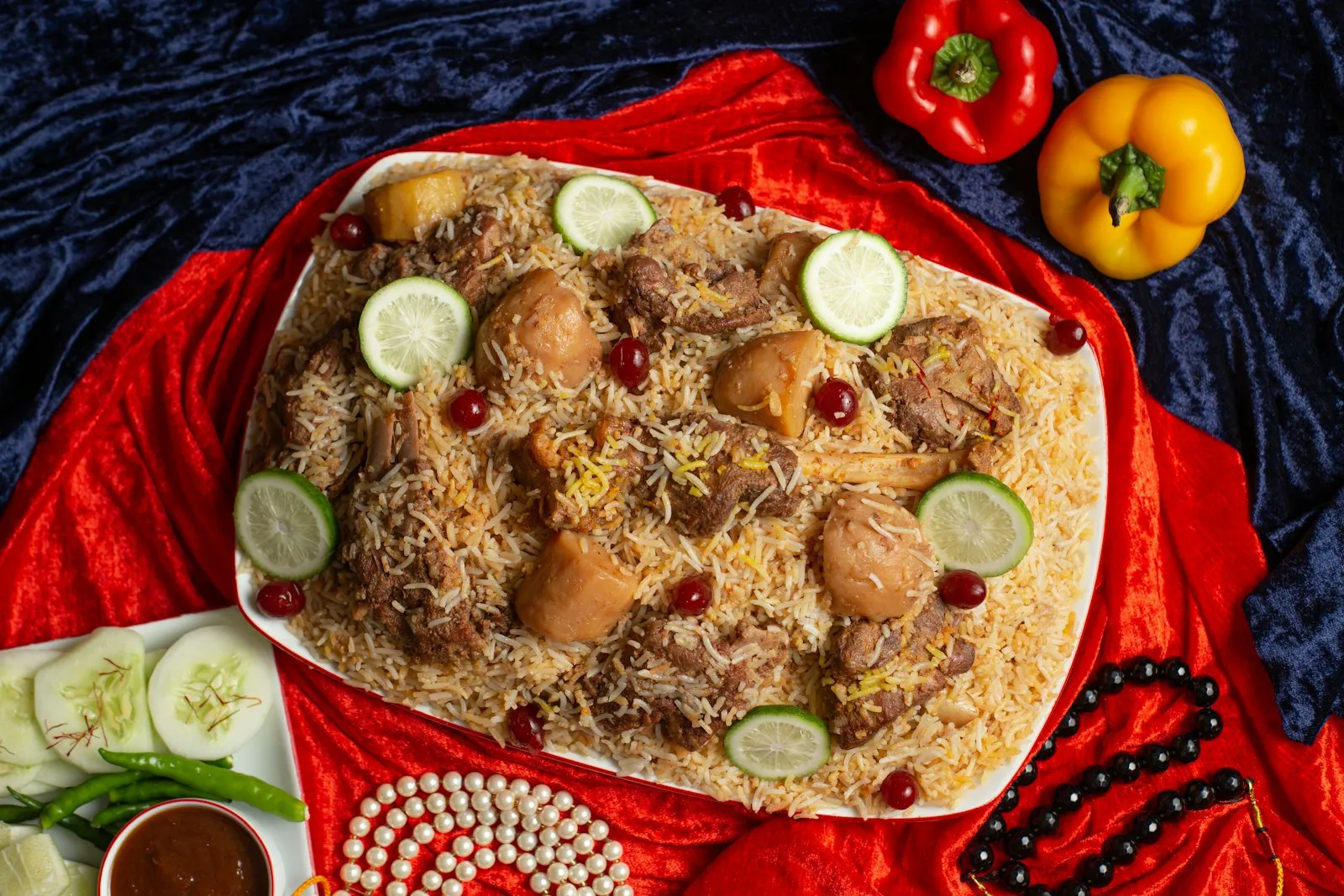
Biryani is the grandest of them. In the Lucknowi, or Awadhi, style, partly cooked rice and a gently spiced meat or vegetable layer are sealed in a pot and finished over low heat, the dum method. Compared with spicier regional biryanis, it is generally described as fragrant and mild. Raita on the side cools things down.
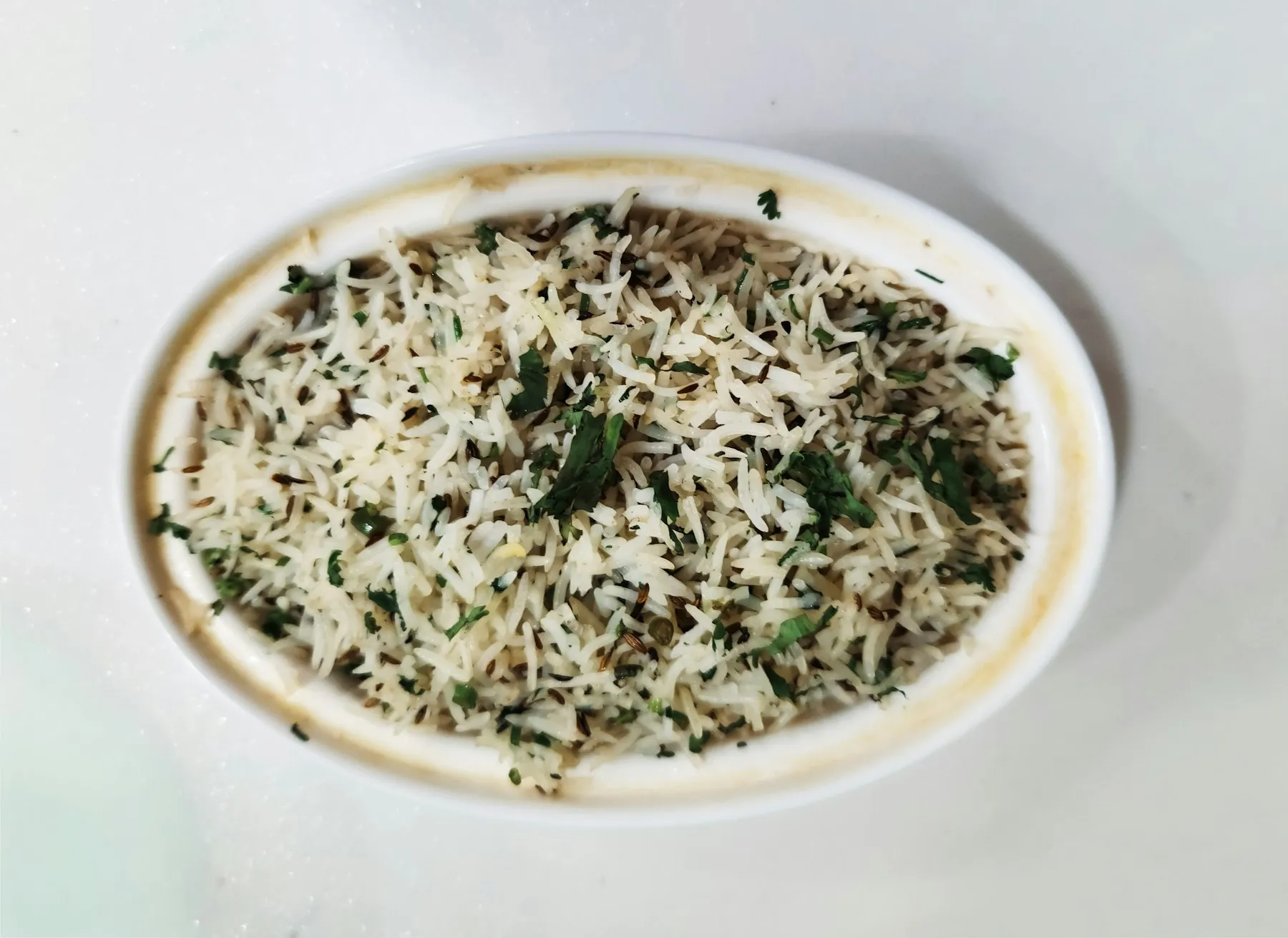
White oval dish of basmati rice flecked with cumin seeds and chopped cilantro
VegetarianNorth Indian

Jeera Rice

1 hr 5 min Easy Serves 4
Oval white dish of spiced basmati rice with broccoli, peas, carrots and corn, with bowls of peas and corn alongside
VegetarianNorth Indian

Veg Pulao

1 hr 25 min Easy Serves 4

How to start cooking North Indian food at home

Jeera rice and a simple dal or rajma make an easy first meal, and they teach the two core techniques: blooming whole spices in hot fat, and cooking an onion-tomato masala until the oil separates. Chole and kadhi chawal use the same skills. Save dal makhani for a relaxed day, since whole urad dal needs soaking and a long, slow simmer. A pressure cooker or Instant Pot shortens legume cooking a great deal.

Most of these ingredients are sold at Indian grocery stores and many large supermarkets.

  • Rice and flour: basmati rice, whole-wheat atta for roti
  • Legumes: whole black urad dal, red kidney beans, chickpeas, besan (gram flour)
  • Whole spices: cumin seeds, bay leaves, green and black cardamom, cloves, cinnamon
  • Ground spices: turmeric, coriander, Kashmiri chili powder, garam masala
  • Dried herbs: kasuri methi (dried fenugreek leaves)
  • Dairy: ghee, plain yogurt, paneer, butter and cream
  • Fresh: onions, tomatoes, ginger, garlic, green chilies, cilantro
White oval dish of basmati rice flecked with cumin seeds and chopped cilantro
VegetarianNorth Indian

Jeera Rice

1 hr 5 min Easy Serves 4

Frequently asked questions

What is the difference between North and South Indian food?
In broad terms, North Indian food centers on wheat breads, dairy such as ghee, paneer and cream, the tandoor and thick, rich gravies. South Indian food centers on rice, lentils, coconut and tamarind, with fermented batters for idli and dosa. Both regions have many exceptions; Kashmir, for example, is a rice-eating region in the far north.
What are the most popular North Indian dishes?
Widely known dishes include dal makhani, rajma chawal, chole with bhature, kadhi chawal, paneer dishes, tandoori chicken, naan and other breads, and Lucknowi biryani.
Is North Indian food spicy?
It is usually more aromatic than fiery. Spice blends like garam masala add warmth, and dairy softens the heat in many dishes. The amount of chili varies by cook and by dish, so you can adjust it to taste.
Is North Indian food vegetarian?
Much of it is. Dals, rajma, chole, kadhi and paneer dishes are vegetarian, and Rajasthan has one of the highest shares of vegetarians in India. Meat is also central in Awadhi, Mughlai and Kashmiri cooking.
Do North Indians eat rice or roti?
Both. Wheat breads are the everyday staple across much of the region, but rice is common with saucy dishes such as rajma and kadhi, and it is the main staple in Kashmir.
Can I make North Indian food without a tandoor?
Yes. Most home kitchens in India don't have one either. Dals, curries and rice dishes need only a stovetop, and for naan or tandoori-style dishes a very hot oven, broiler, grill or cast-iron pan gives a good result.

Keep exploring

Insiders

Become a JollyRoses Insider

Free. New recipes and festive menus by email, plus early access to new features like the ingredient scanner. Unsubscribe anytime.

What would you like to hear about?

Your ZIP code helps us decide where to launch new features first. See our privacy policy.