Non-vegIndian
South Indian food is the cooking of India's five southern states: Tamil Nadu, Kerala, Karnataka, Andhra Pradesh and Telangana. Rice sits at the center of it. It is steamed and served with lentil stews, ground with lentils into batters for idli and dosa, and tossed with tamarind, lemon or yogurt into one-pot rice dishes.
This guide walks through what ties the region together, what sets each state apart, and the breakfasts, meals and rice dishes most people meet first. At the end you'll find a short pantry list and the recipes on JollyRoses that make a good starting point.
By The JollyRoses Kitchen · Updated · 19 recipes
Across the south, a few habits show up again and again. Rice is the main grain. Lentils, especially toor dal (split pigeon peas) and urad dal (black gram), turn up in stews, batters and even in the seasoning itself. Tamarind brings sourness, coconut brings body and sweetness, and a hot-oil tempering of mustard seeds and curry leaves finishes many dishes.
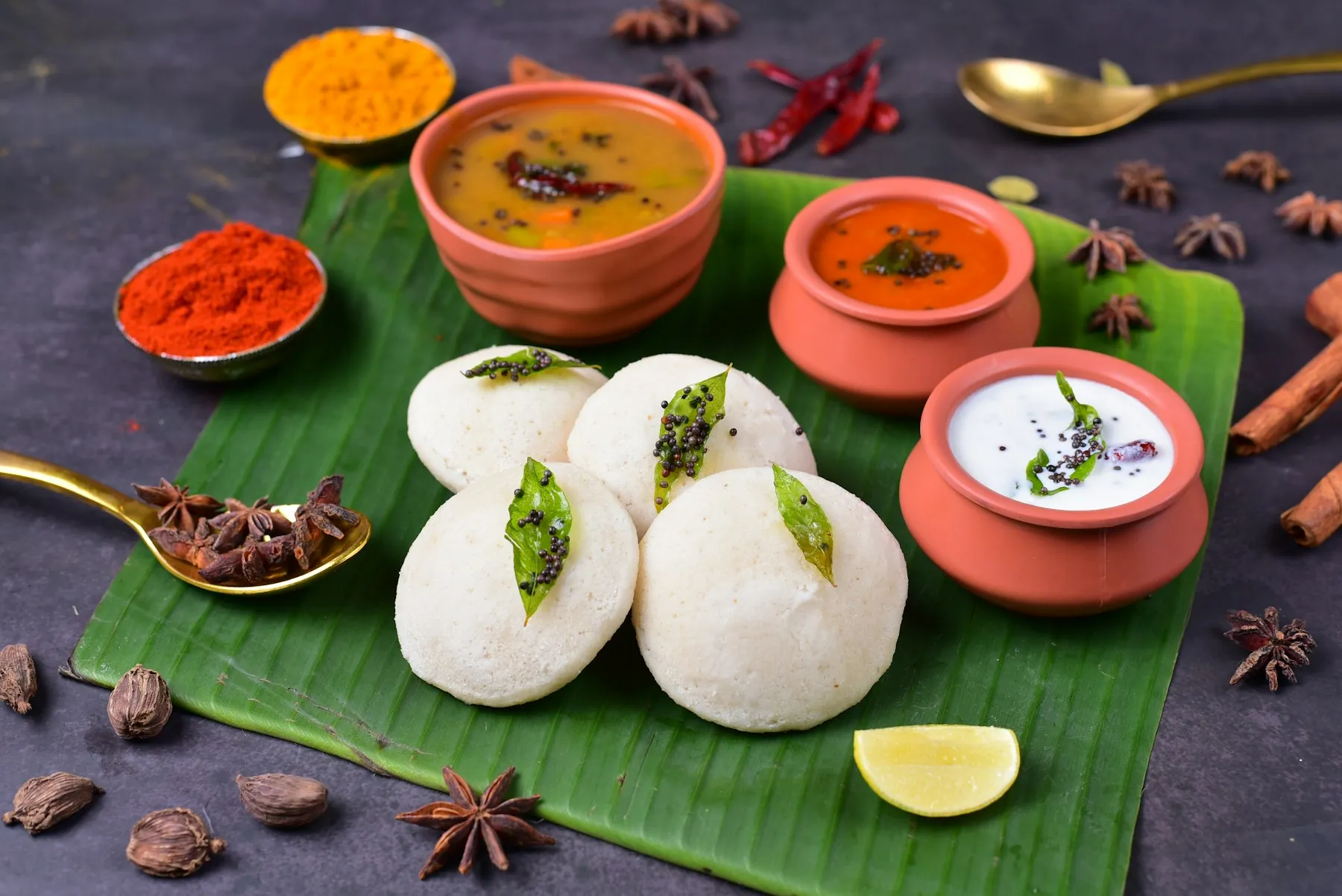
Fermentation matters too. Idli and dosa are made from a soaked, ground and fermented batter of rice and urad dal, which gives them their light texture and gentle tang. Beyond these shared threads, every state, and often every community within a state, cooks in its own way.
These are broad sketches. Home cooking varies a great deal from family to family, so treat them as a map rather than a set of rules.
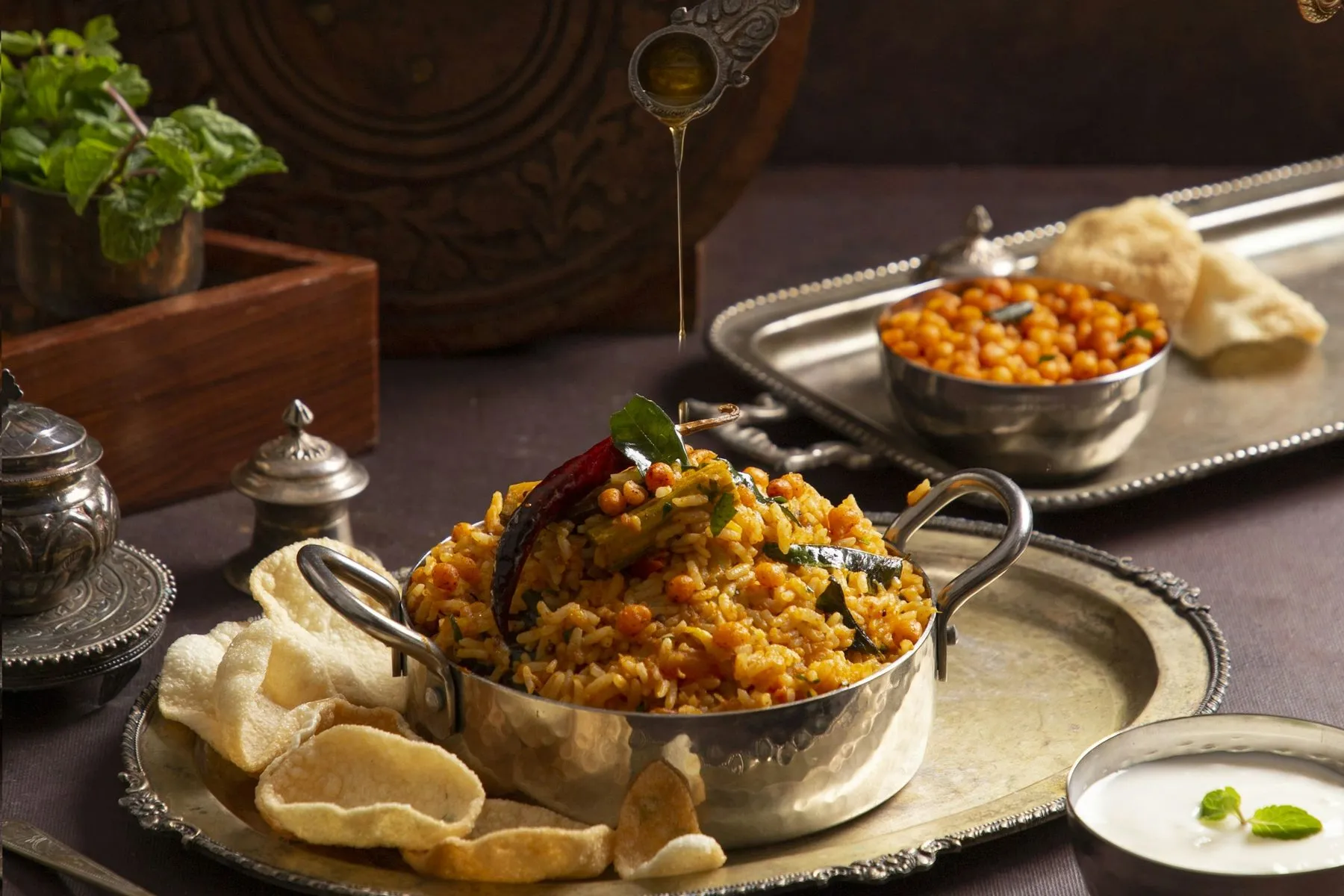
A small set of ingredients does most of the work. Learn how each one behaves and a long list of dishes opens up.
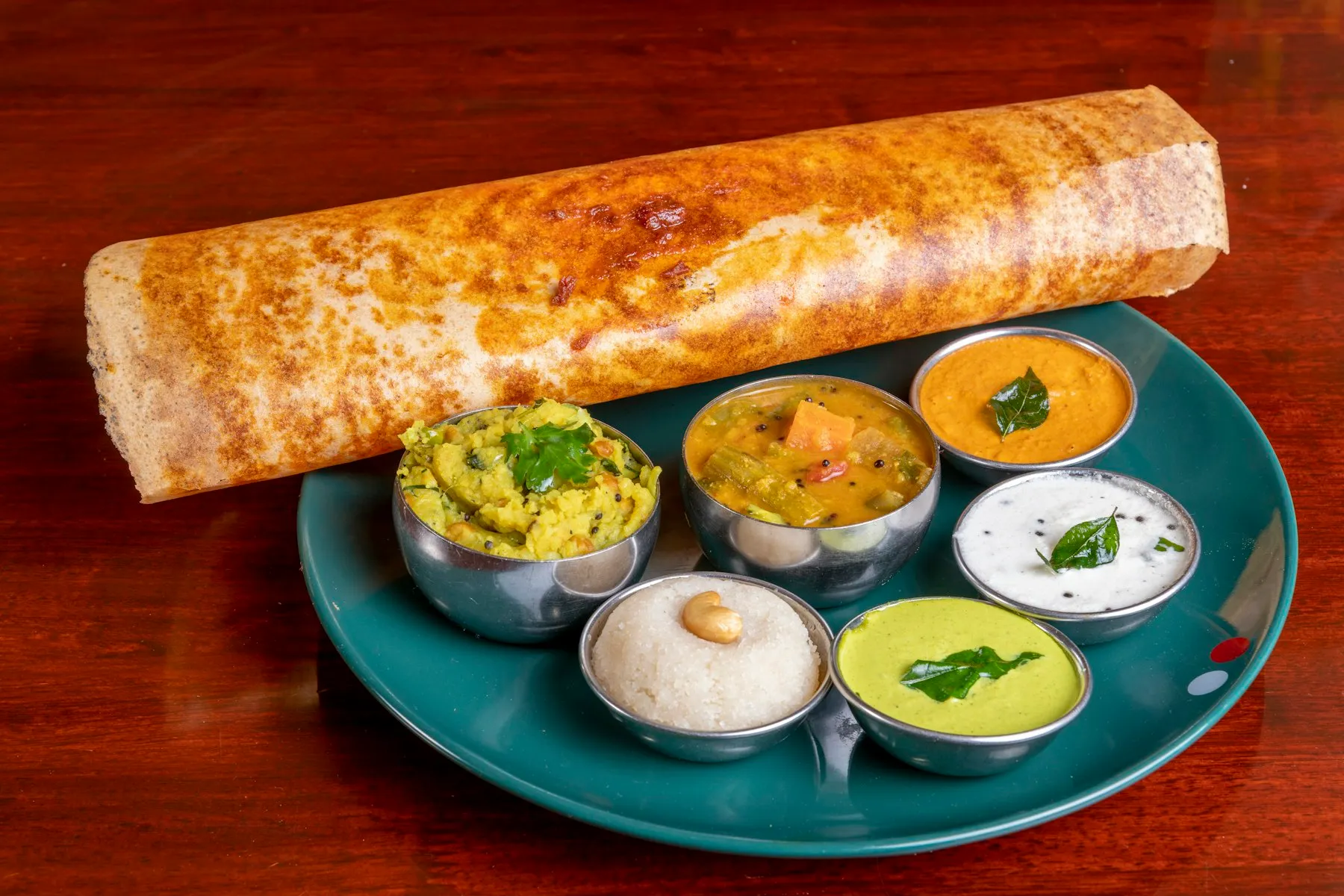
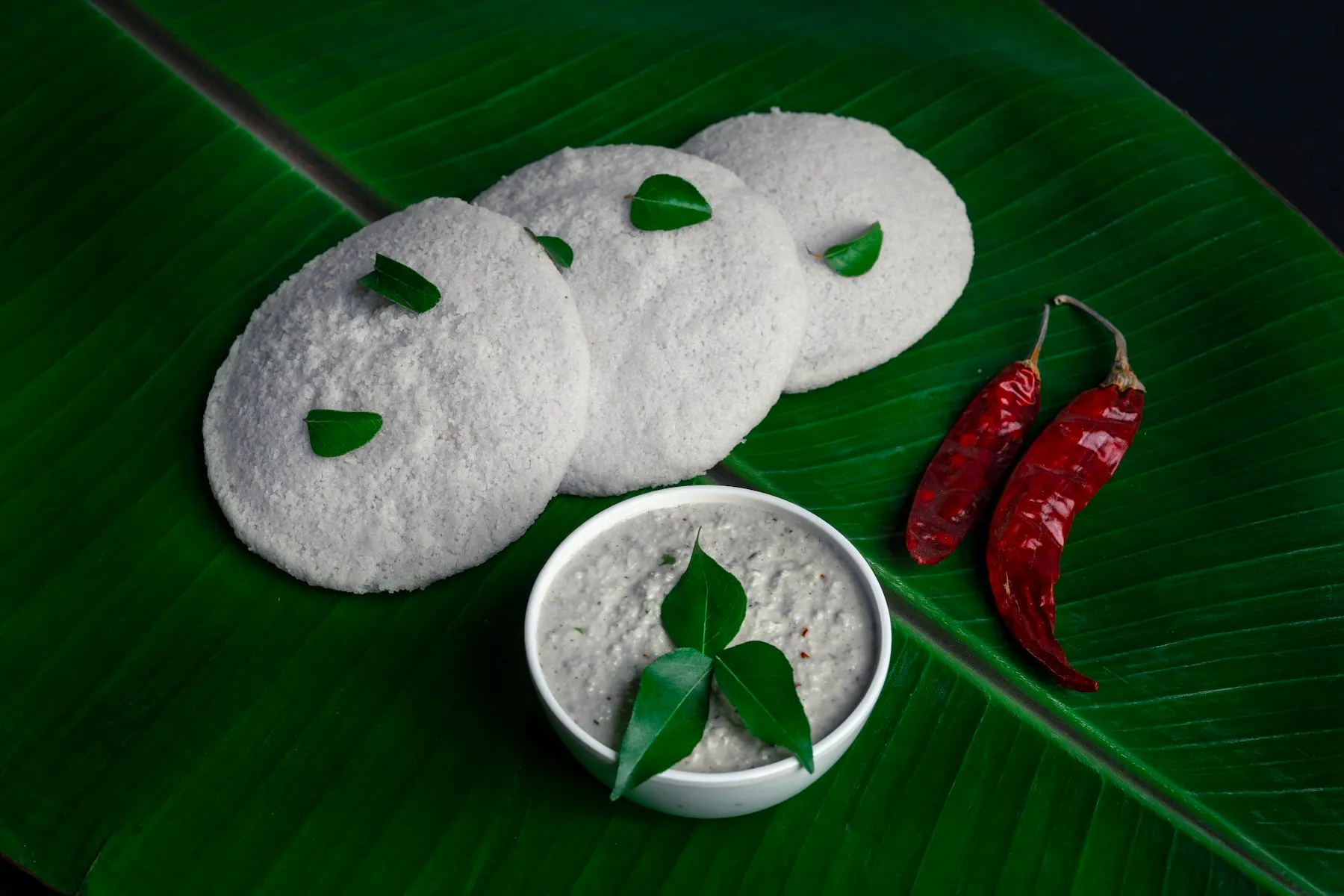
In much of South India, "tiffin" refers to light meals and snacks, and breakfast is where many of the region's best-known dishes live. Most are served with sambar and one or more chutneys, coconut chutney being the most common.
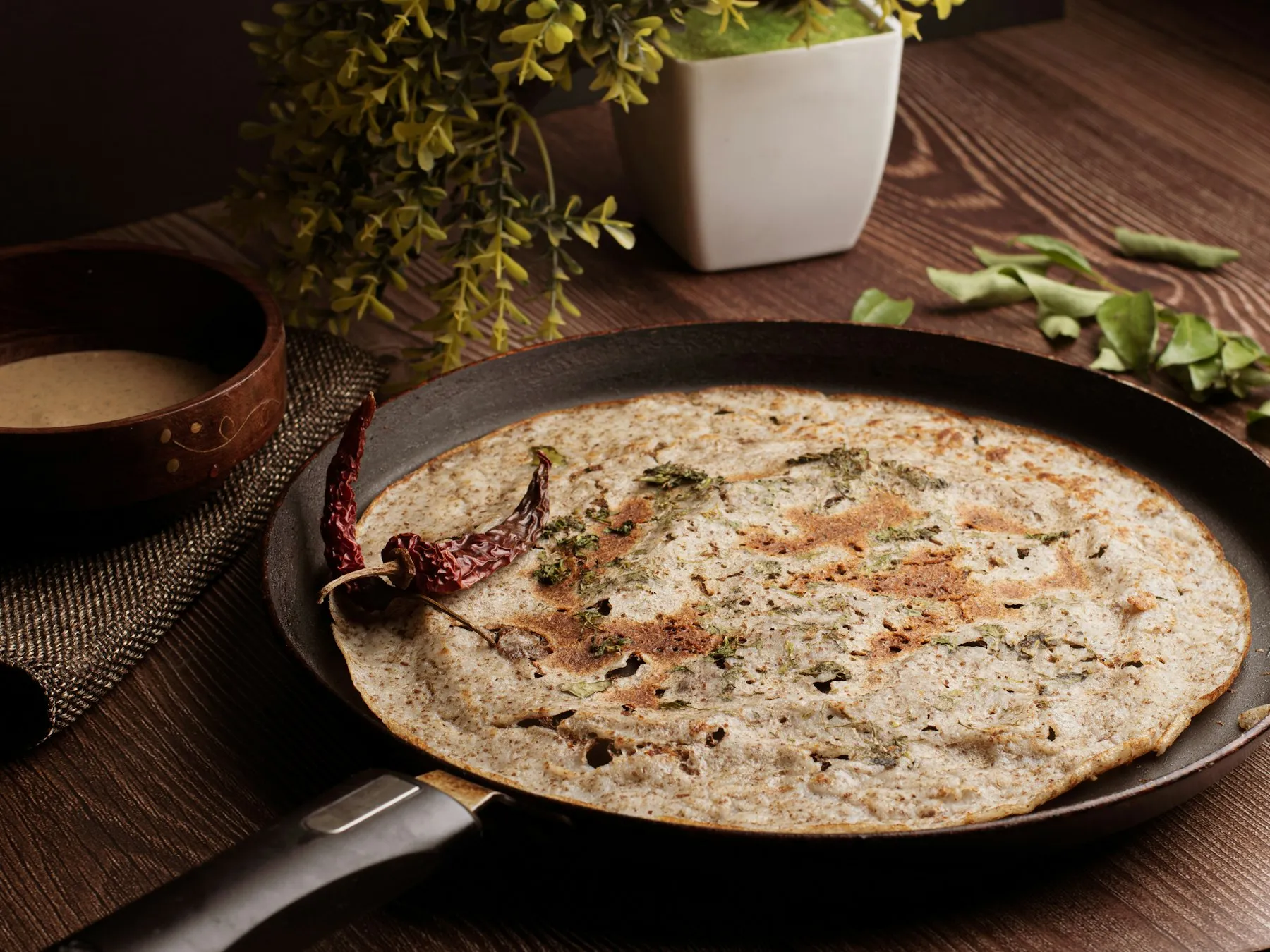
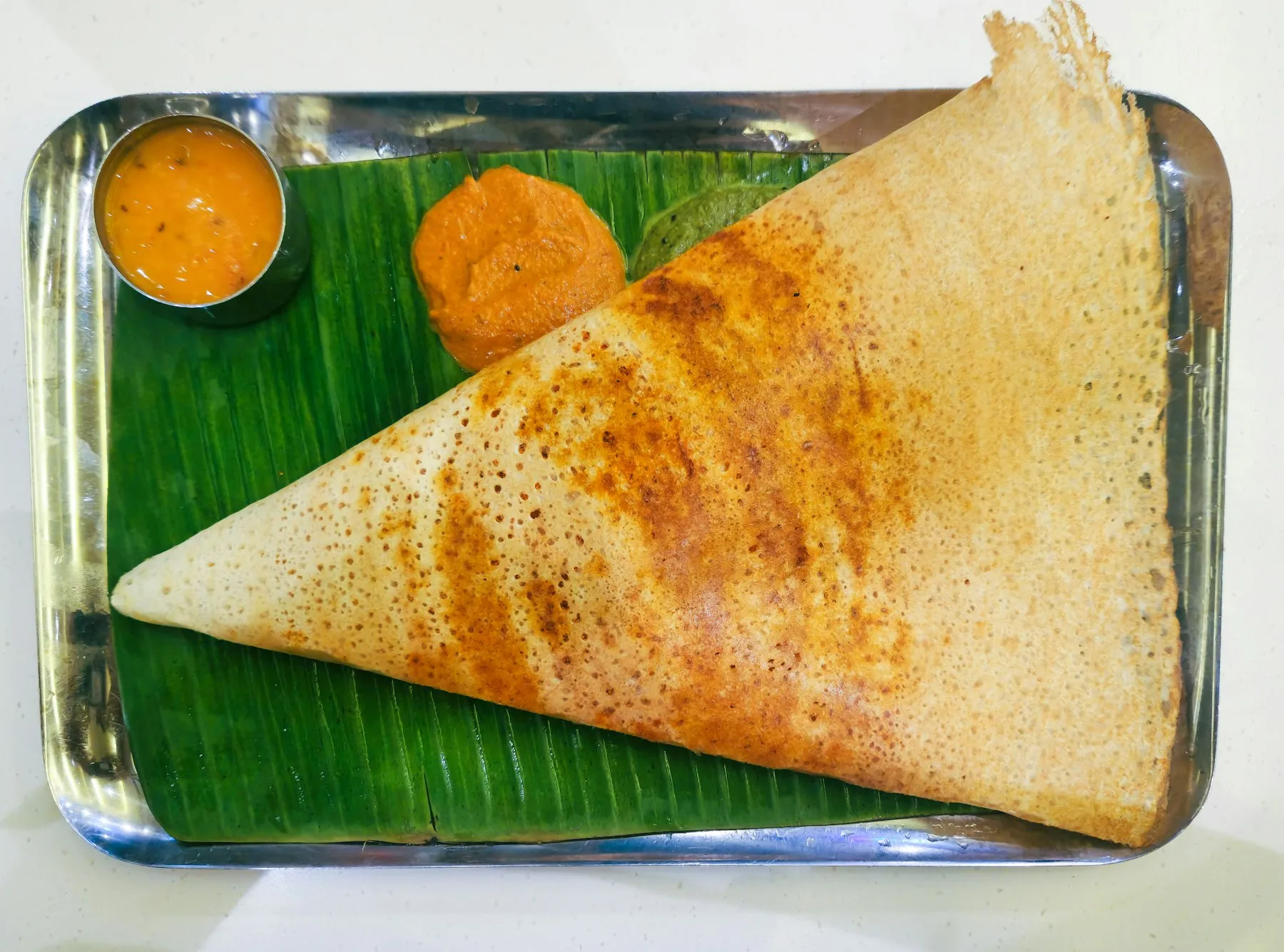
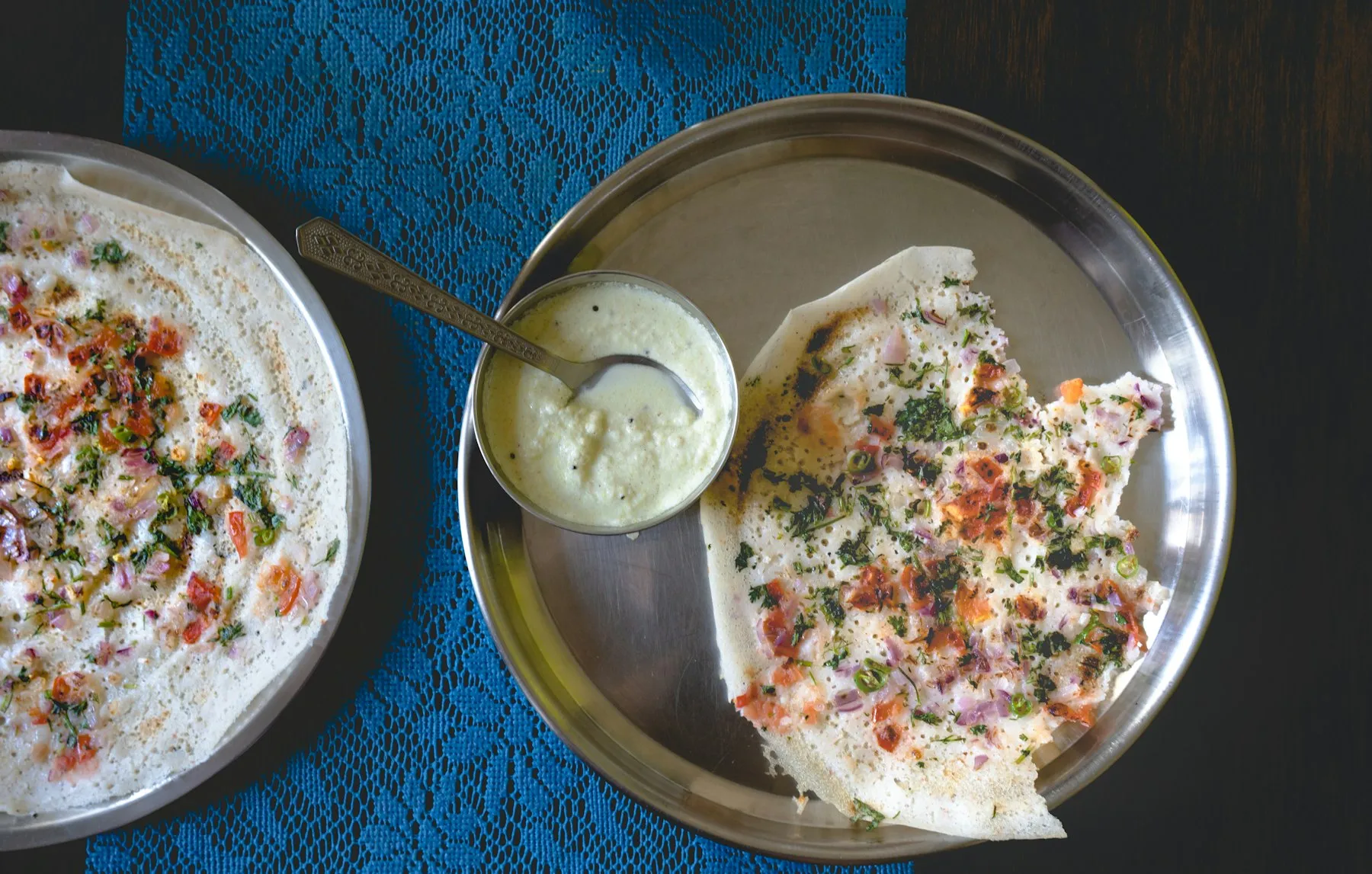
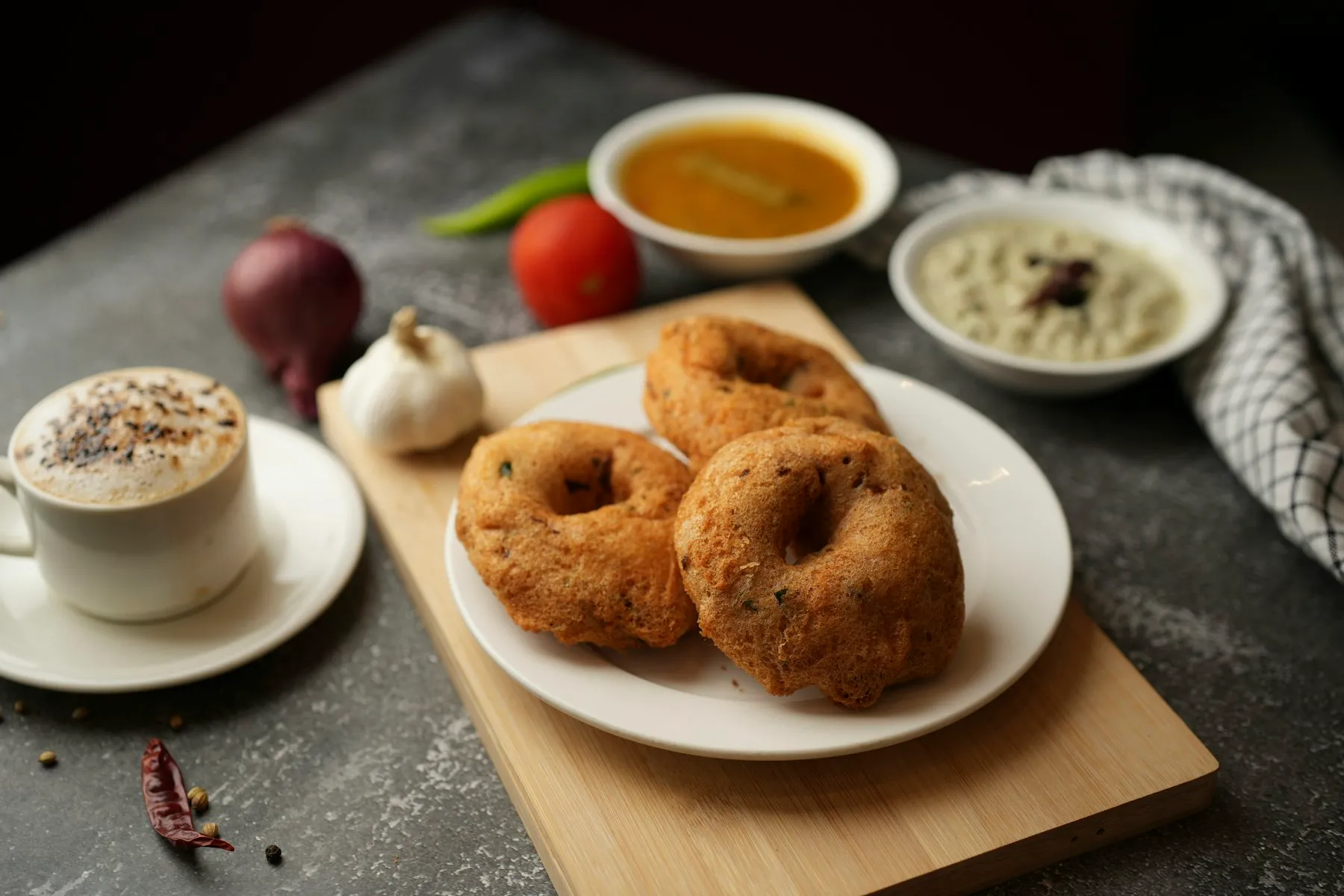
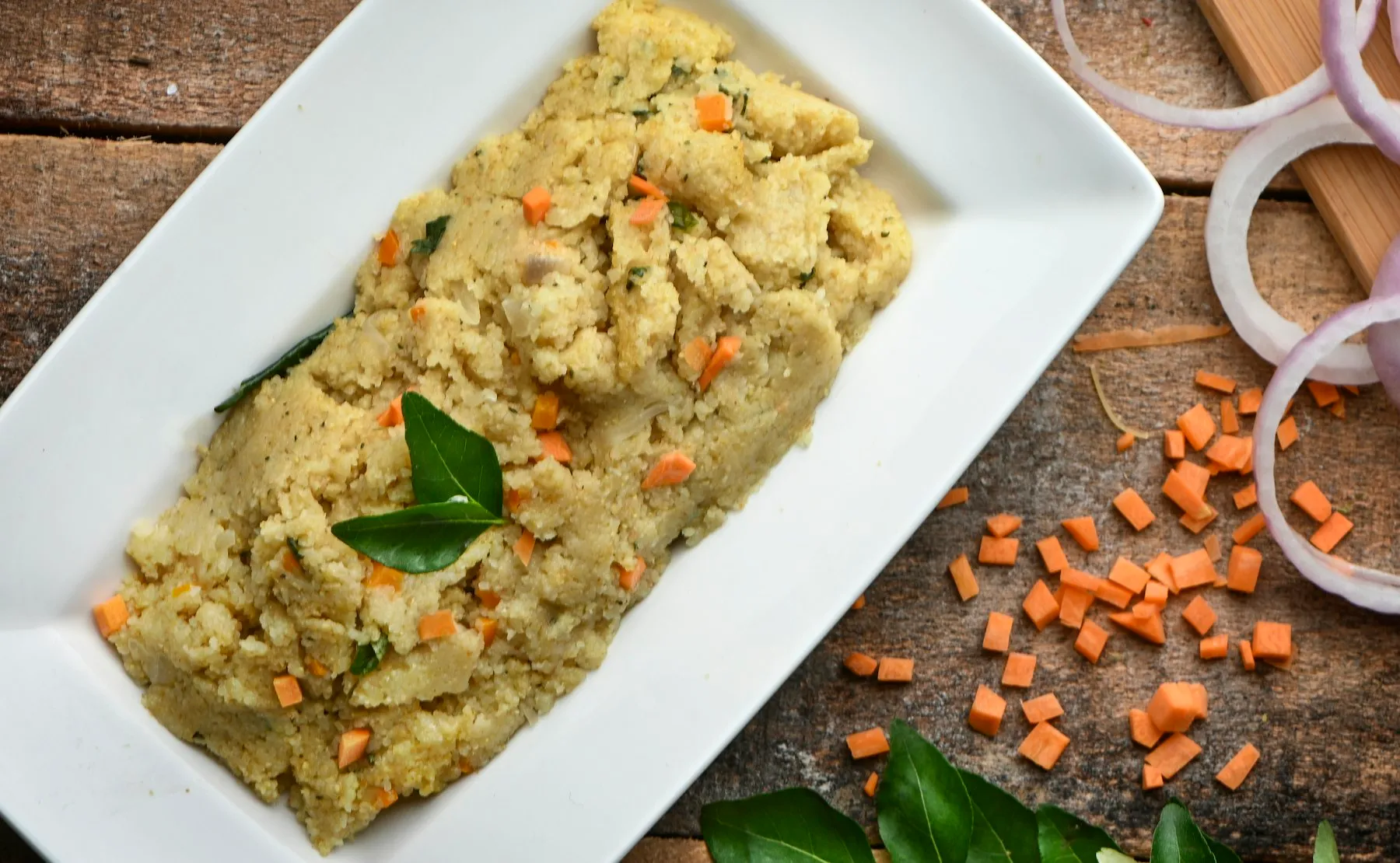
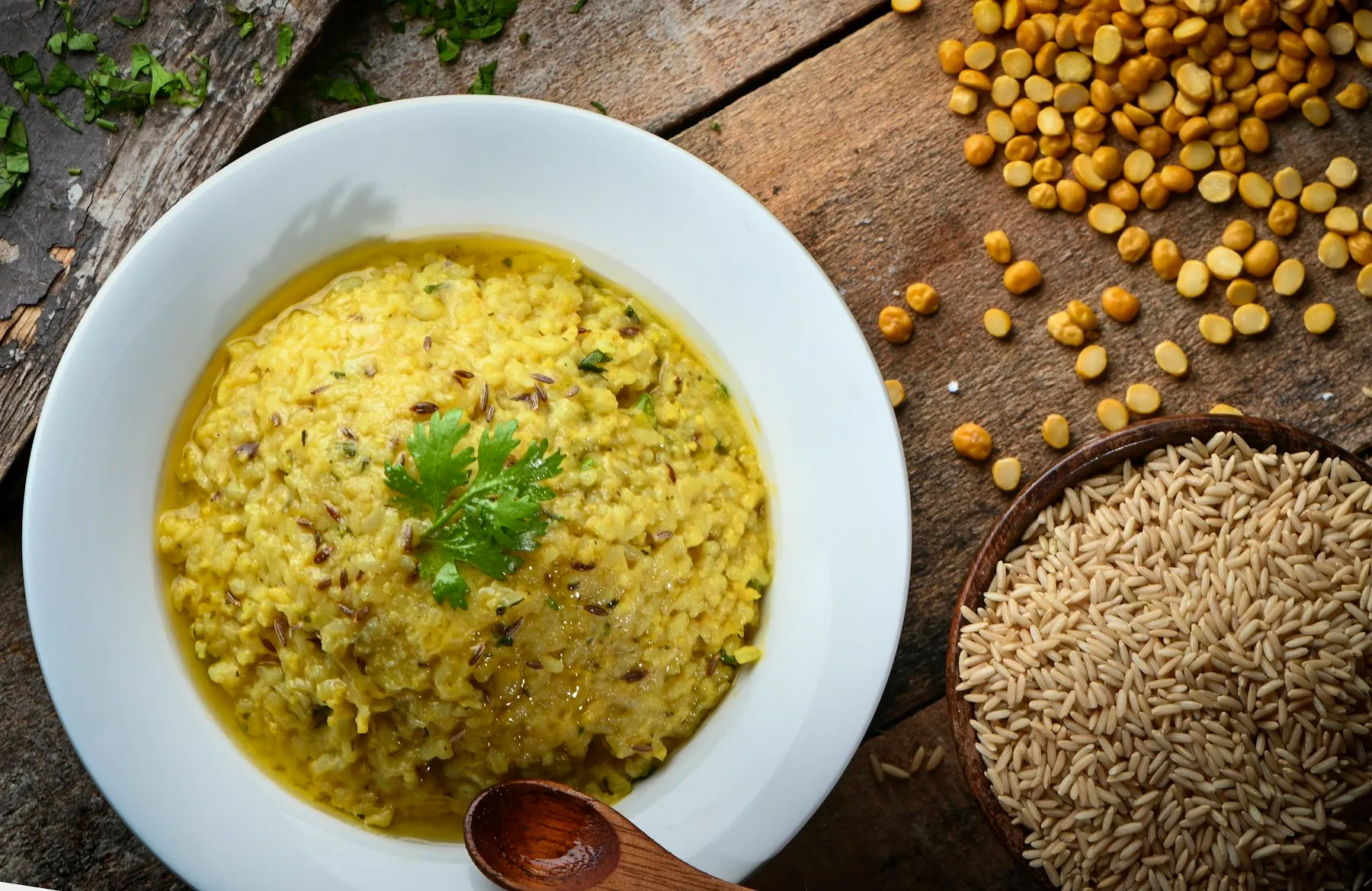
Idli are soft steamed cakes made from fermented rice and urad dal batter. The same kind of batter, spread thin on a hot griddle, becomes dosa, and folded around a spiced potato filling it becomes masala dosa. Uttapam is a thicker pancake from similar batter with toppings pressed into it. Medu vada are savory urad dal fritters shaped like doughnuts. Upma is a quick dish of toasted semolina cooked with tempering and vegetables. Pesarattu is an Andhra crepe of whole green moong that needs no fermentation, and ven pongal is a peppery, ghee-rich porridge of rice and moong dal.
A typical South Indian lunch is built around rice served in courses. A common order is rice with sambar, a lentil and vegetable stew soured with tamarind; then rice with rasam, a thin, peppery tamarind or tomato broth; and finally curd rice, rice mixed with yogurt, to cool things down. Vegetable side dishes, pickles and papad (crisp lentil wafers) fill out the plate.
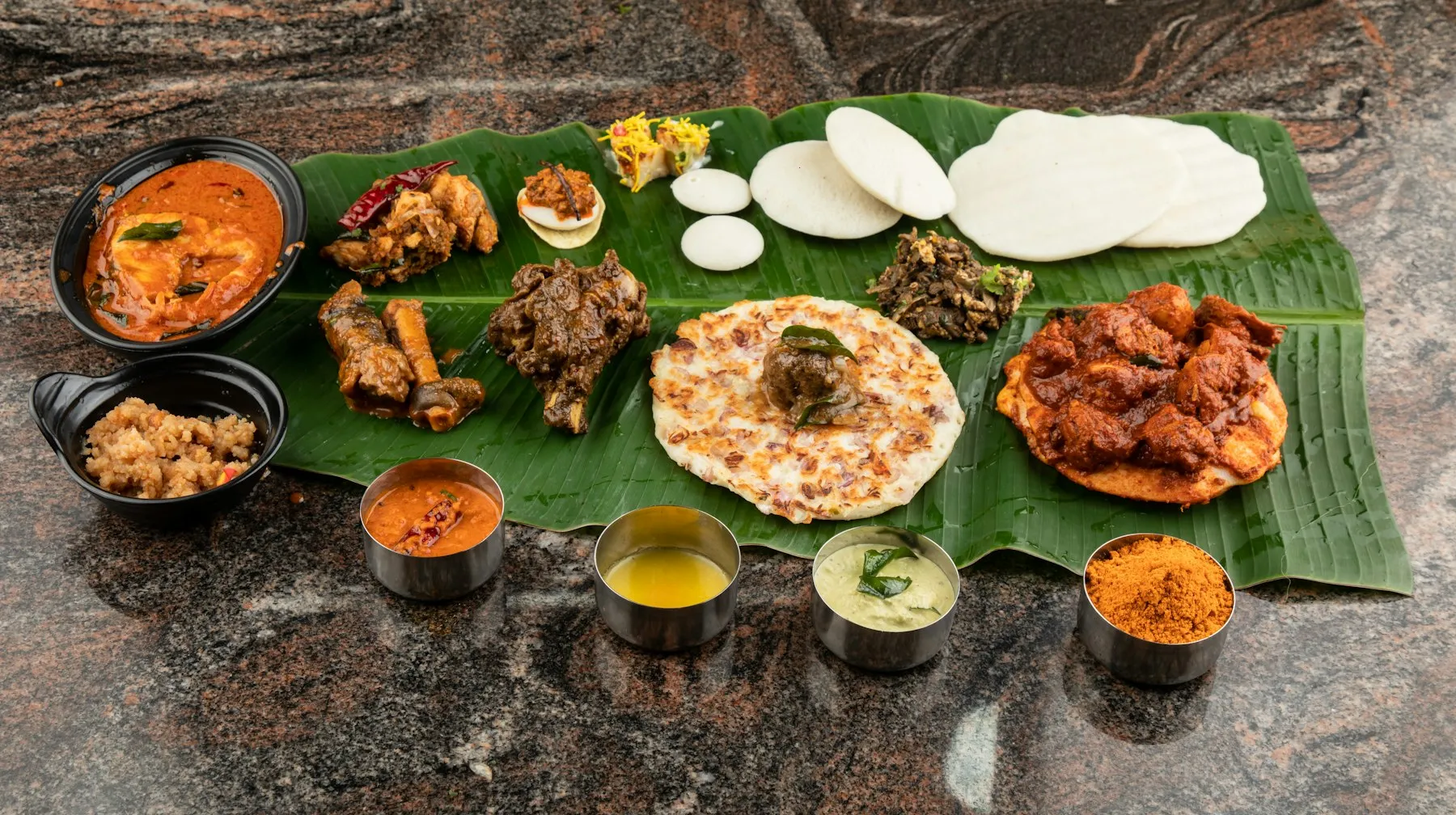
For festivals and weddings, the meal is often served on a banana leaf. Kerala's sadya is the best-known example: a vegetarian feast that commonly runs to around two dozen dishes, eaten by hand and finished with payasam, a sweet pudding. Many restaurants outside India serve a simpler "meals" plate on the same pattern.
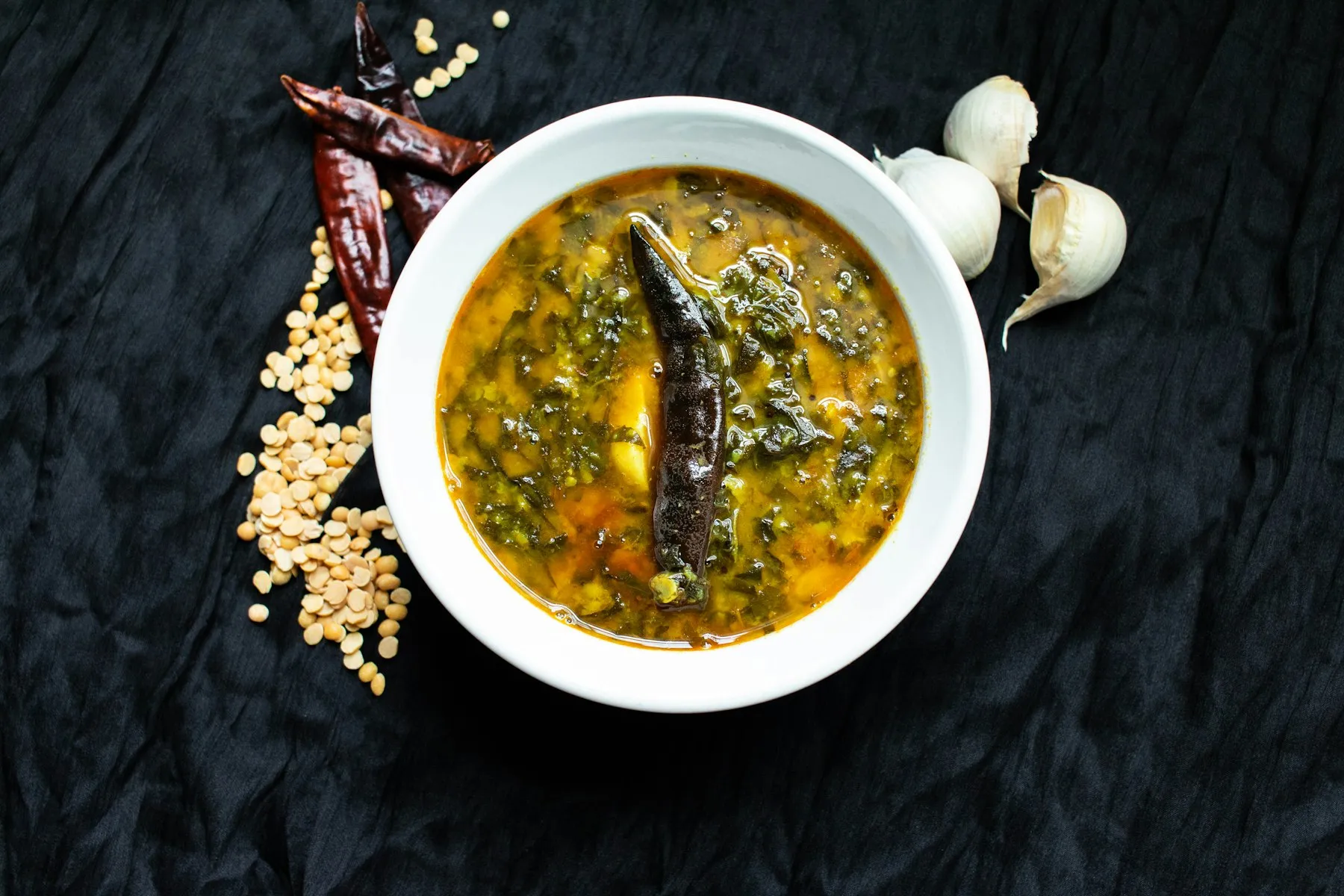
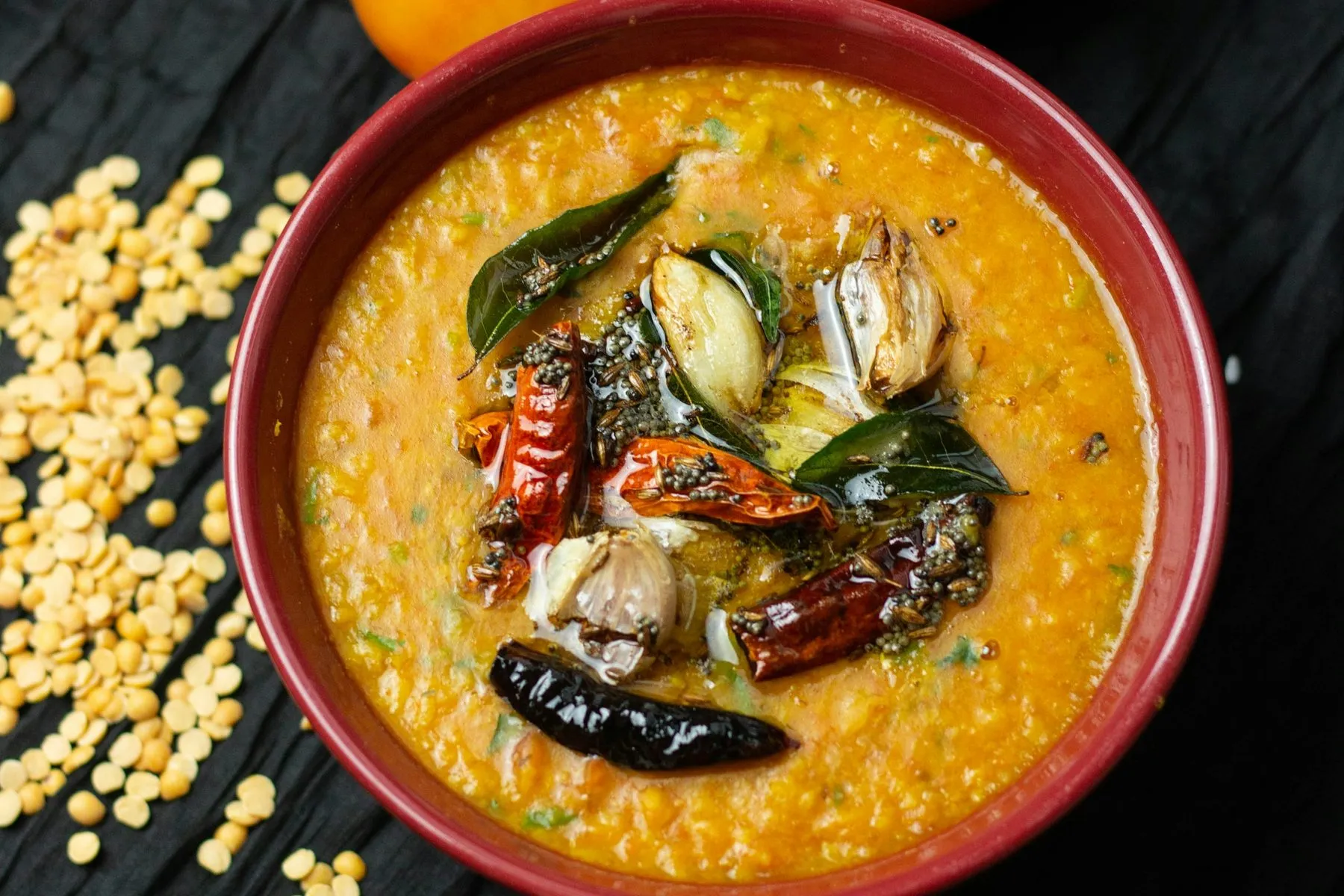
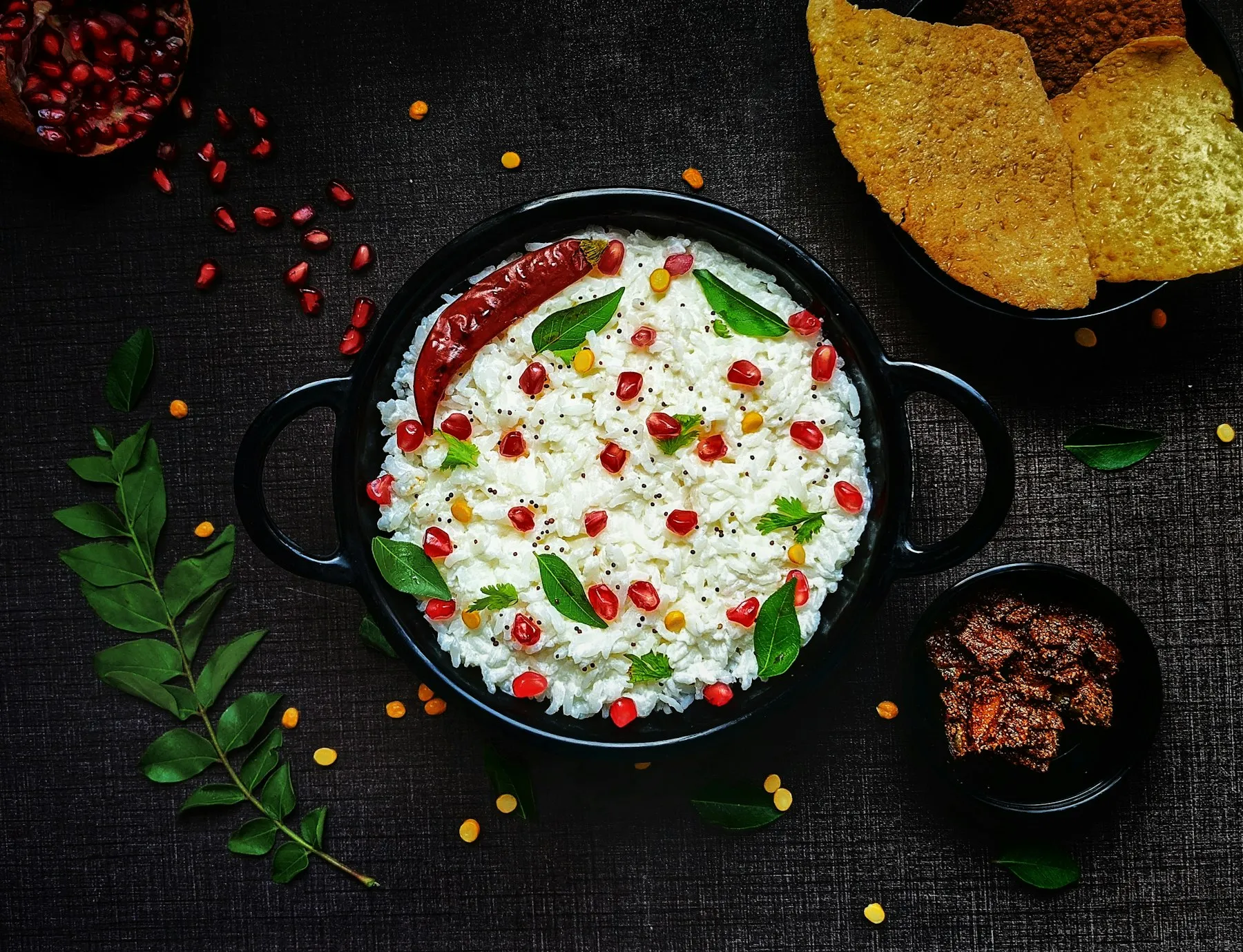
Mixed rice dishes are a South Indian specialty. Many begin with plain cooked rice that is folded into a seasoned base, which makes them good for lunch boxes, travel and using up leftover rice. Others cook the rice together with lentils and spices in one pot.
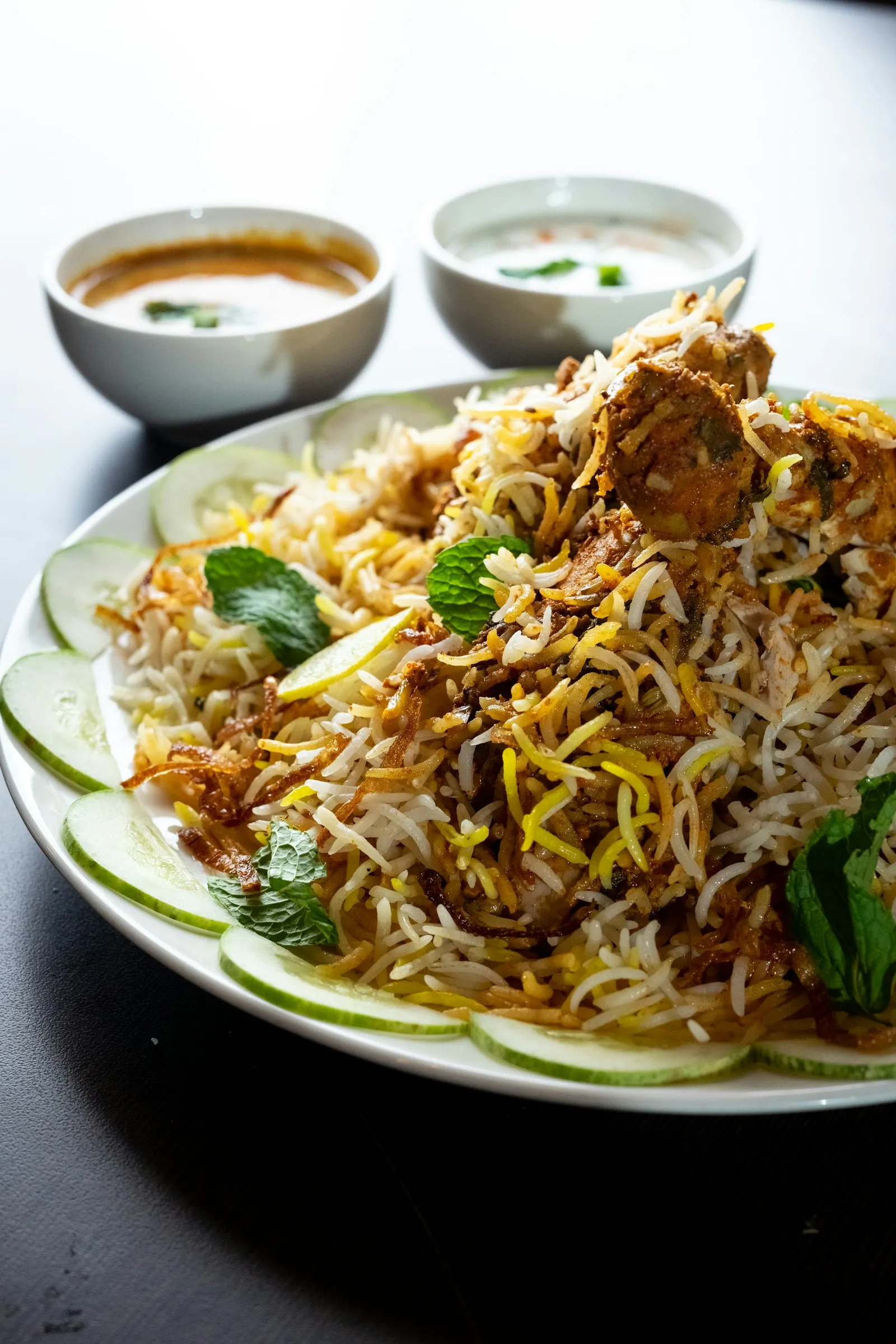
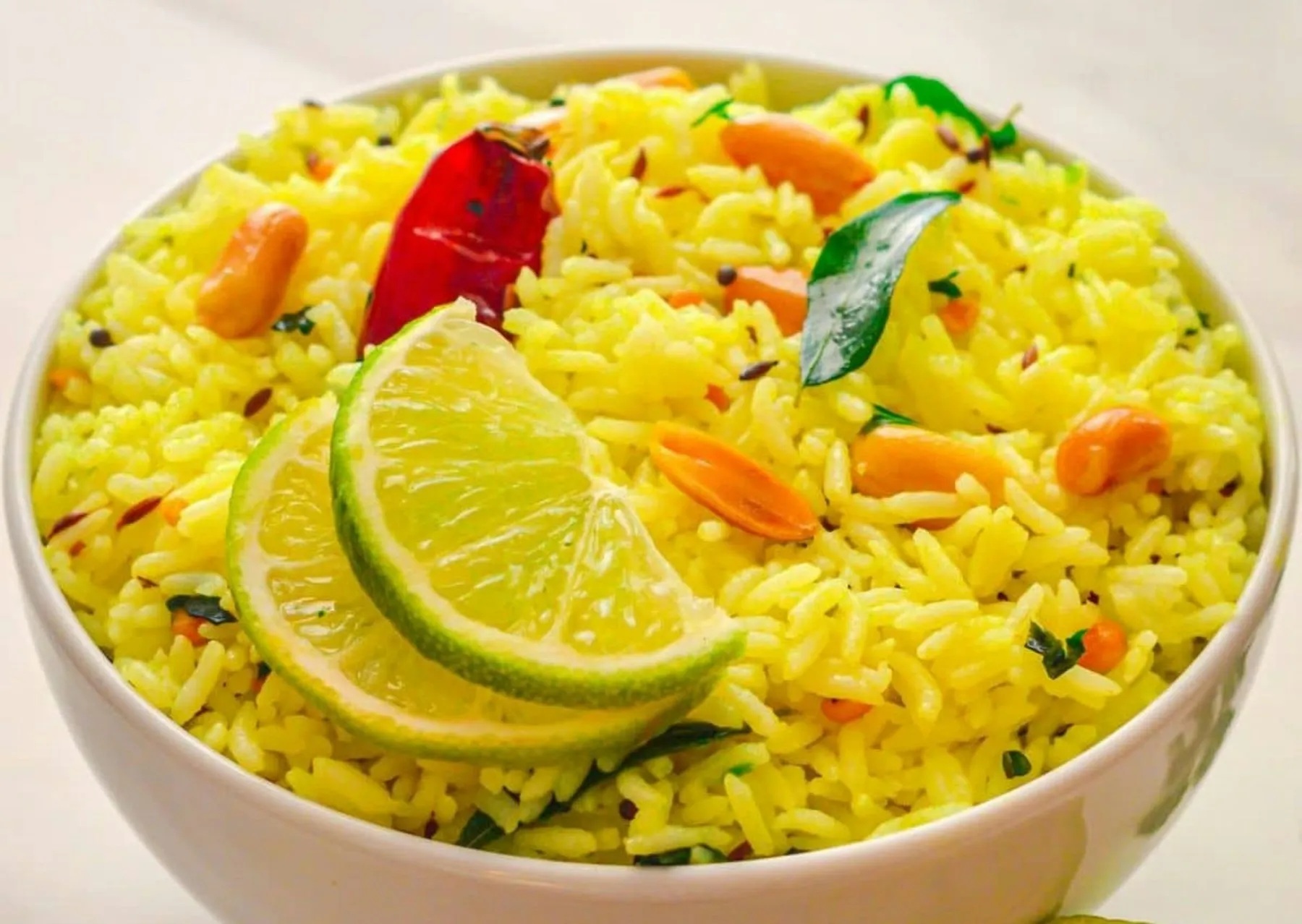
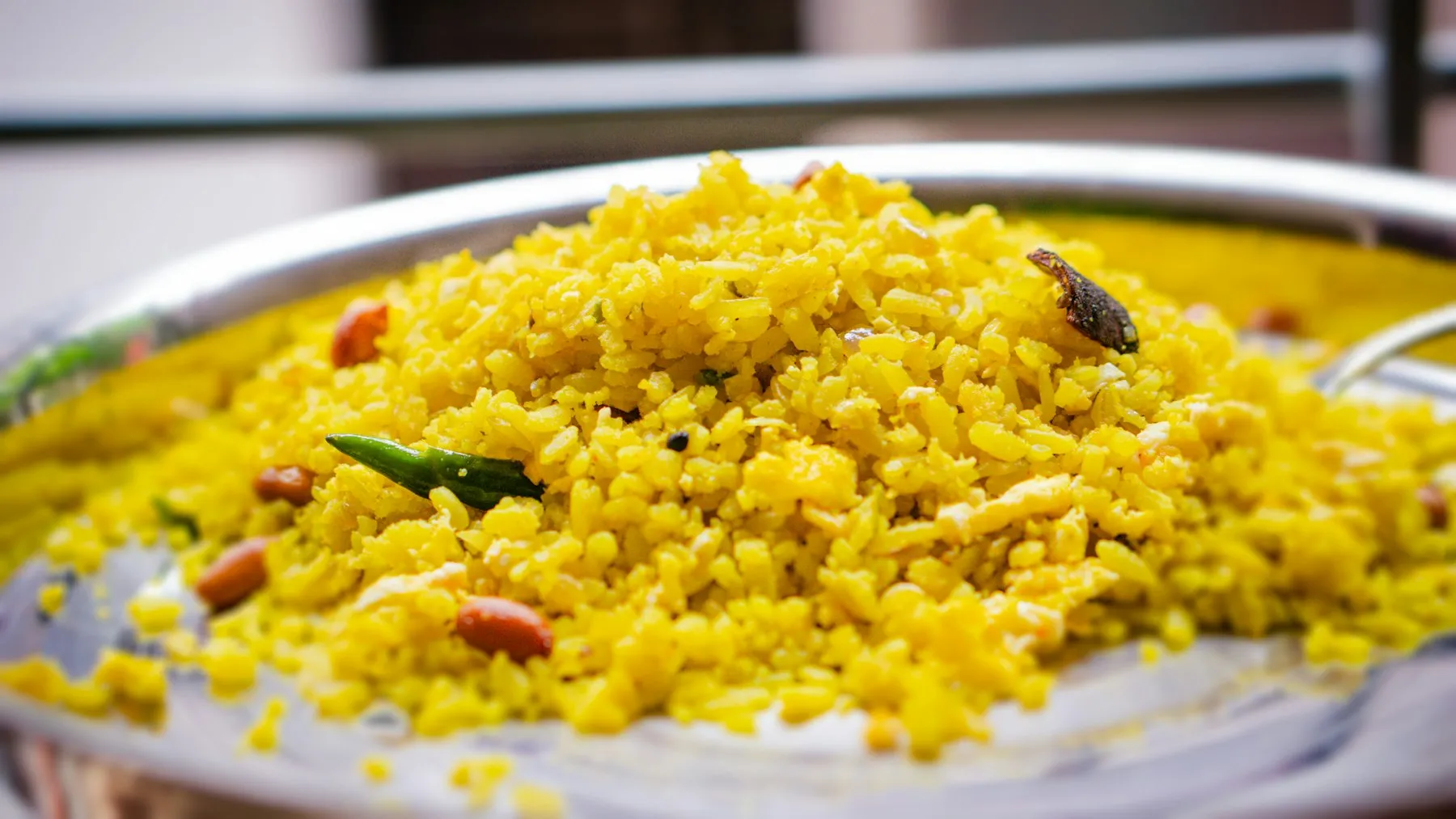
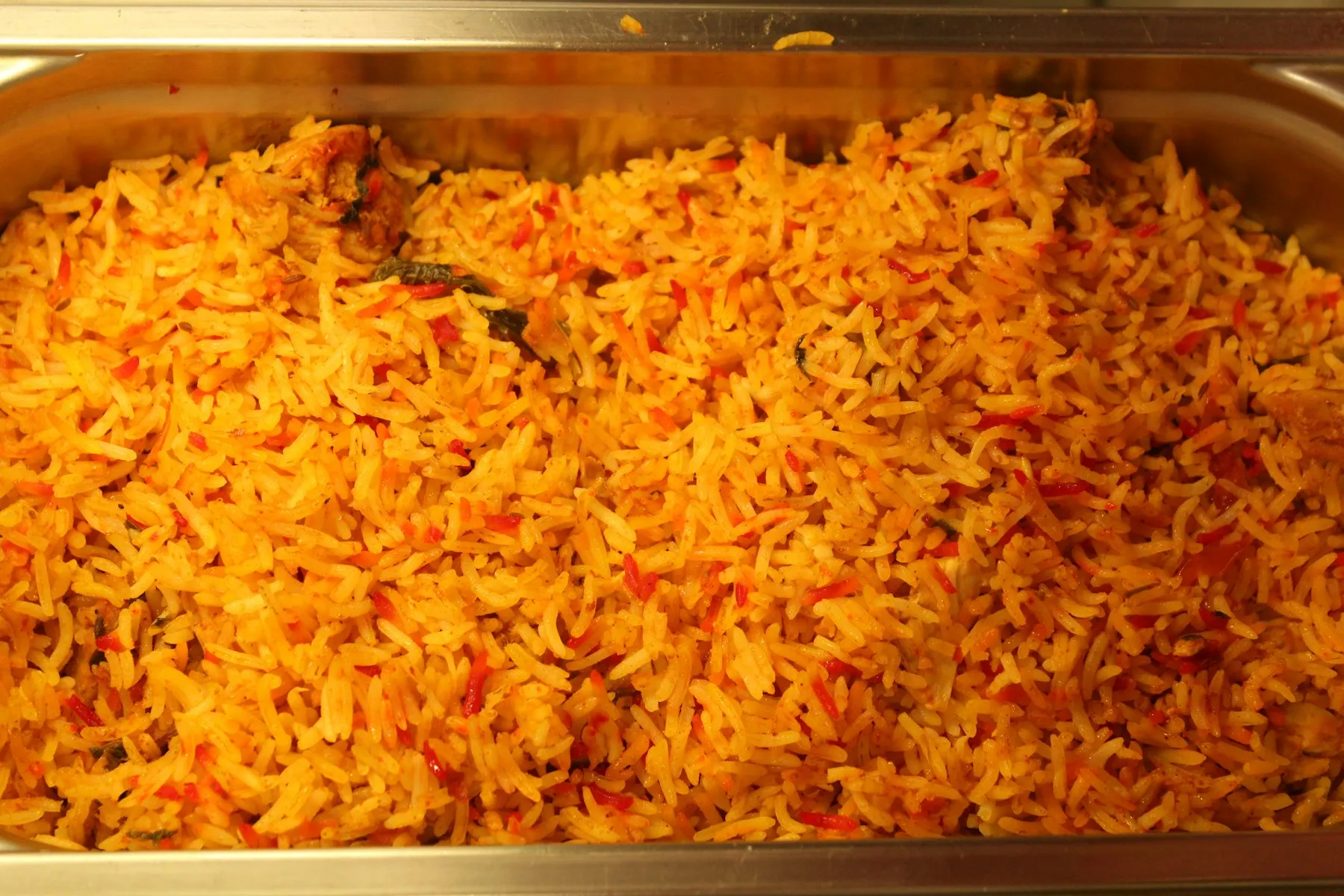
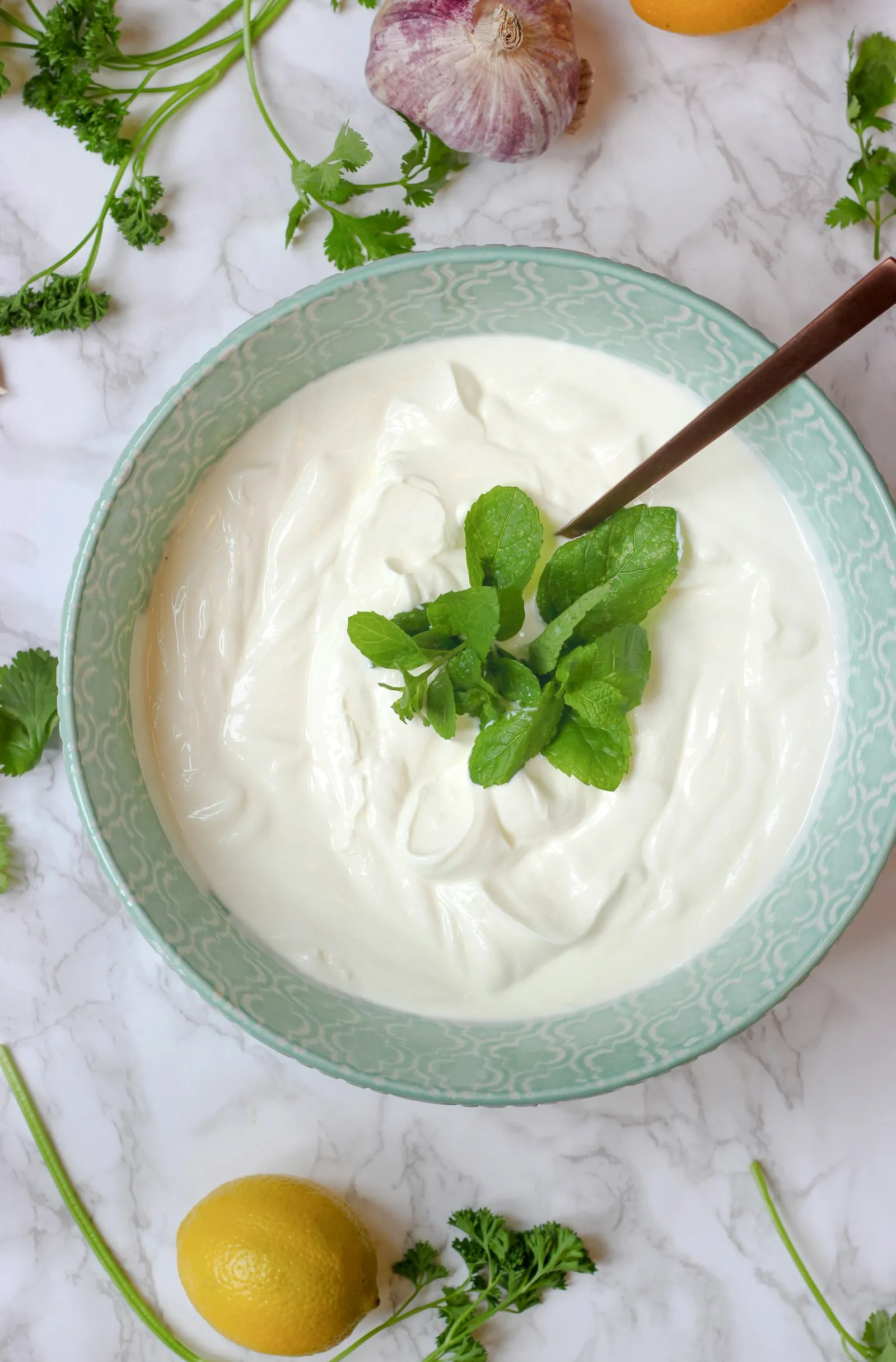
Lemon rice (called chitranna in Karnataka) is bright with lemon juice, turmeric and peanuts. Tamarind rice goes by many names, including pulihora, puliyogare and puliyodarai, and is often prepared as a temple offering. Tomato rice cooks the rice with a spiced tomato masala, and curd rice is the cooling finish to a meal. Bisi bele bath, from Karnataka, cooks rice, toor dal and vegetables with a dedicated spice powder and tamarind. Hyderabadi biryani, layered basmati and meat cooked sealed over low heat, is the region's grand celebration rice, usually served with mirchi ka salan and a yogurt side.
Begin with dishes that need no fermentation. Lemon rice, tomato rice and upma all come together in well under an hour and teach you the mustard-seed and curry-leaf tempering that the whole cuisine relies on. Sambar and rasam are next; once you can make them, a full rice meal is within reach.
Idli and dosa batter takes more planning because it needs soaking, grinding and an overnight ferment, and fermentation is slower in a cool kitchen. Many cooks outside India start with store-bought batter and make their own once they're comfortable. Indian grocery stores carry everything on the list below, and frozen grated coconut and curry leaves keep well in the freezer.