Indian Rice · South Indian

Ven Pongal (Savory Pongal)

Ven pongal recipe: creamy rice and moong dal cooked soft, finished with ghee, black pepper, cumin, ginger, curry leaves and cashews.

By The JollyRoses Kitchen · Updated
Prep
10 min
Cook
40 min
Total
50 min
Serves
4
Vegetarian Easy Main Course
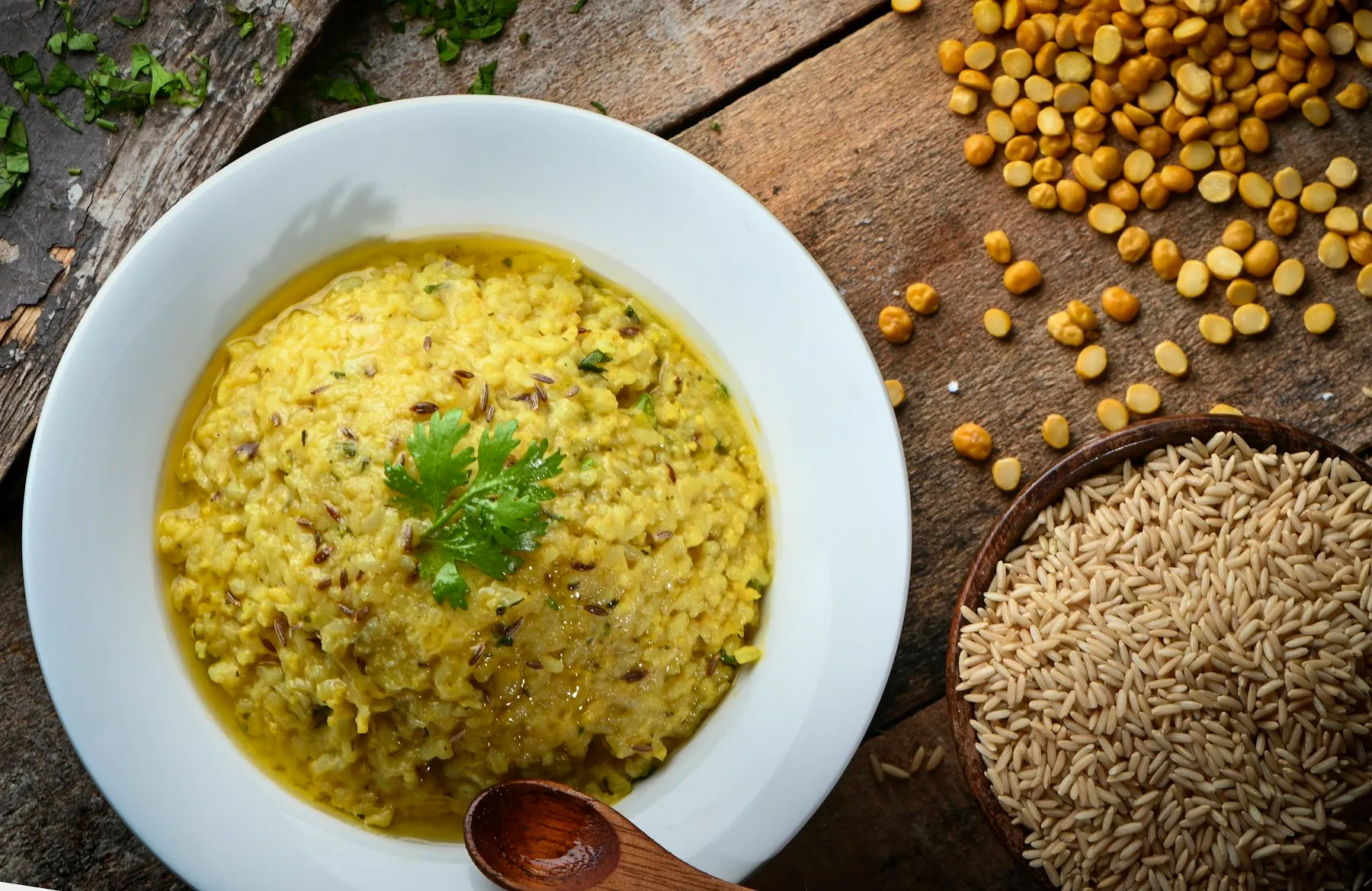
White bowl of soft yellow rice and lentil porridge with cumin and a cilantro sprig, beside dry lentils and rice
Photo: Mario Raj on Unsplash · photo shows a similar dish

Ven pongal is a savory, creamy dish of rice and split yellow moong dal cooked soft and seasoned with ghee, crushed black pepper, cumin, ginger and curry leaves. It is a favorite South Indian breakfast and is also served as a temple offering.

Pongal is also the name of the Tamil harvest festival in mid-January, when a pot of rice is cooked until it boils over. Sweet pongal (sakkarai pongal), made with jaggery, is a different dish; this recipe is the savory version.

Why this recipe works

  • Dry-roasting the moong dal briefly gives it a nutty aroma and helps it cook evenly.
  • Cooking rice and dal with plenty of water makes a soft, creamy texture without any cream.
  • Black pepper and cumin bloomed in ghee are added at the end, so their flavor stays bright.

Ven Pongal (Savory Pongal) recipe

By The JollyRoses Kitchen · 50 min total · Easy

Ingredients

Servings 4

For the pongal

For the tempering

Equipment

  • Heavy-bottomed pot with lid (or a pressure cooker)
  • Small skillet for tempering
  • Mortar and pestle or rolling pin (to crack pepper)

Instructions

  1. Roast the dal

    Dry-roast the moong dal in the pot over medium-low heat, stirring, until it smells nutty and just a few grains turn light golden, 3–4 minutes. Do not let it brown.

  2. Rinse rice and dal

    Tip the dal into a bowl, add the rice and rinse both together in a few changes of water until the water is mostly clear. Drain.

  3. Simmer until creamy

    Return the rice and dal to the pot with the water, salt and turmeric (if using). Bring to a boil, skim any foam, then reduce the heat, cover partly and simmer, stirring every few minutes, until both are completely soft and mushy, 30–35 minutes. Add hot water if it gets too thick.

  4. Mash

    Mash the pongal lightly with the back of a ladle until creamy. It should be soft and slightly loose, since it thickens as it cools. Stir in 2 tablespoons of the ghee.

  5. Make the tempering

    Heat the remaining 2 tablespoons ghee in a small skillet over medium heat. Fry the cashews until golden. Add the peppercorns and cumin and let them sizzle for a few seconds, then add the ginger, curry leaves and asafoetida and stir until the leaves crackle.

  6. Finish and serve

    Pour the tempering over the pongal, stir well and serve hot.

Tips for the best ven pongal (savory pongal)

  • Serve pongal right away or keep it loose with a splash of hot water; it sets firm quickly as it cools.
  • Crack the pepper coarsely rather than grinding it fine, so you get bursts of heat instead of an even burn.
  • In a pressure cooker, use about 4½ cups water for the same amount of rice and dal and cook for 4–5 whistles on medium heat, then let the pressure release naturally.
  • Some cooks add ½ cup milk with the water for an even creamier pongal.
  • Many packaged asafoetida blends contain wheat flour; use a gluten-free brand or leave it out if needed.

Substitutions

GheeNeutral oil or coconut oil for a vegan version, though ghee is central to the classic flavor.
Short-grain riceAny white rice, including basmati; cook until fully soft.
CashewsLeave them out for a nut-free version.

Storing and reheating

Spread leftovers in a shallow container to cool quickly and refrigerate within 2 hours. Keep covered for up to 2 days. Pongal sets firm in the fridge; add hot water or milk and stir over low heat until loose and steaming hot.

What to serve with ven pongal (savory pongal)

Frequently asked questions

What is the difference between ven pongal and sakkarai pongal?
Ven pongal is savory, seasoned with ghee, pepper, cumin and ginger. Sakkarai pongal is sweet, cooked with jaggery, cardamom and ghee. Both use rice and moong dal. Sakkarai pongal is the version most associated with the Pongal festival, while ven pongal is also an everyday breakfast.
When is the Pongal festival?
Pongal is the Tamil harvest festival celebrated in mid-January, usually starting around January 14 or 15. Families cook fresh rice in a pot until it boils over as a sign of abundance.
What is the ratio of rice to moong dal for pongal?
A common ratio is 2 parts rice to 1 part moong dal, which is what this recipe uses. Some families use equal parts for a softer, more lentil-rich pongal.
What do you serve with ven pongal?
Pongal is usually served with sambar and coconut chutney, often with medu vada on the side.
Why does my pongal become hard?
Rice and dal keep absorbing liquid as they cool. Cook it looser than you want to serve it, and stir in hot water or milk when reheating.

Rate this recipe

Made it? Tap a star to rate — no sign-up needed.

Reviews

No reviews yet.

Sign in to write a review and share a photo of your ven pongal (savory pongal).

You might also like

All indian rice