Indian Rice · South Indian

Tamarind Rice (Puliyodarai)

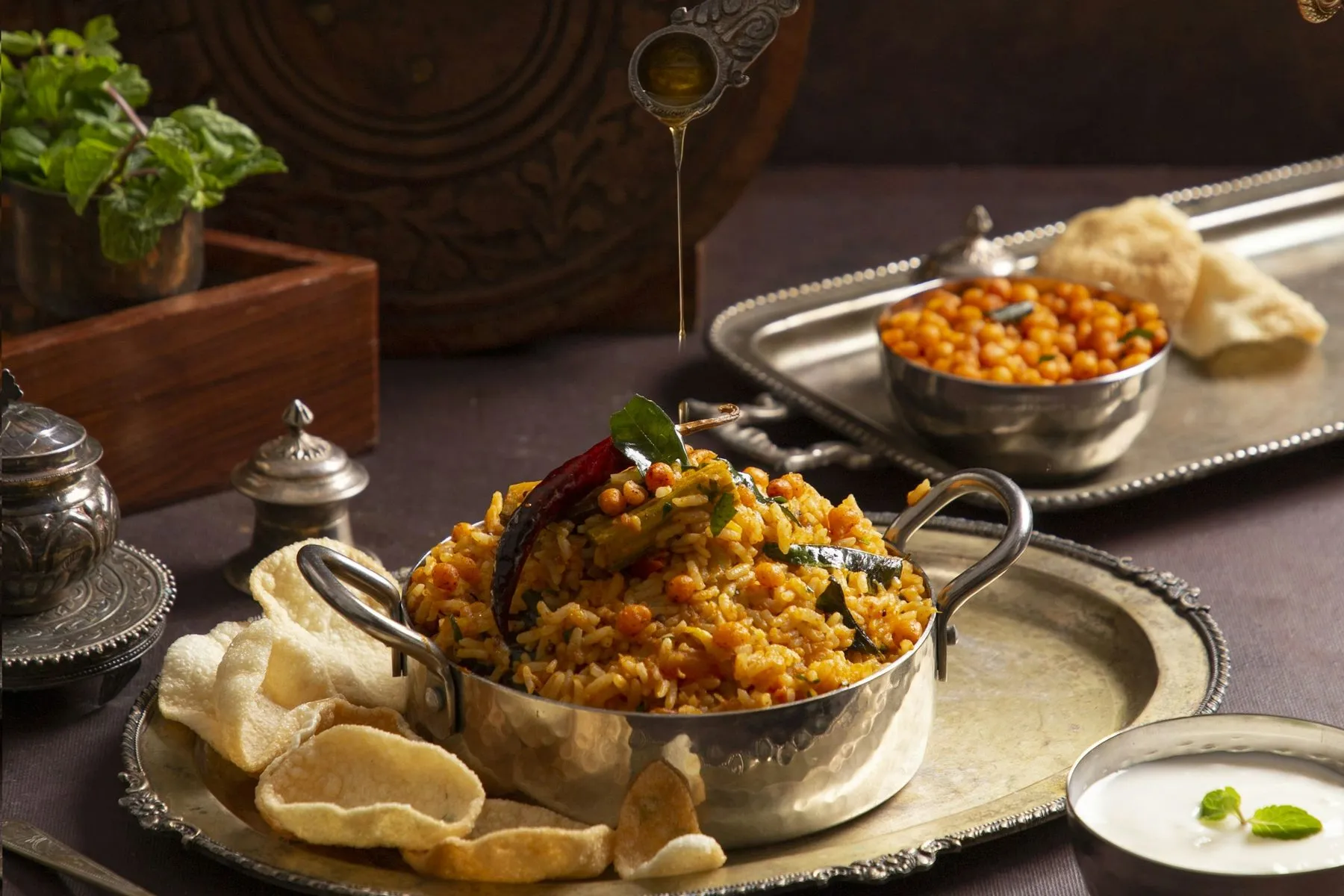
Tangy South Indian tamarind rice: rice mixed with a cooked tamarind-spice paste (pulikachal), peanuts and curry leaves. The paste keeps for weeks.

By The JollyRoses Kitchen · Updated
Prep
20 min
Cook
35 min
Total
1 hr 25 min
Serves
3
Vegan Medium Main Course Includes 30 min hands-off
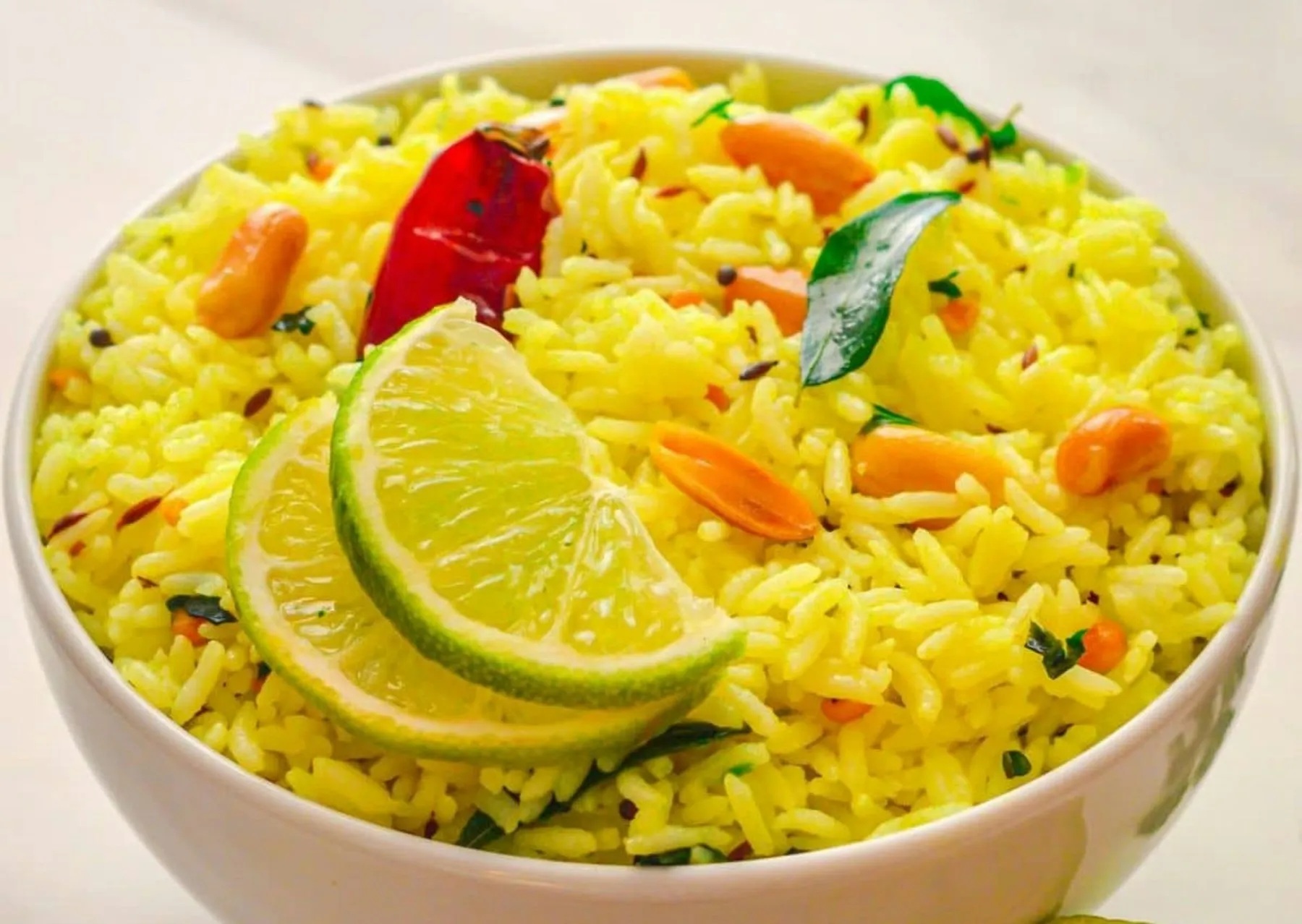
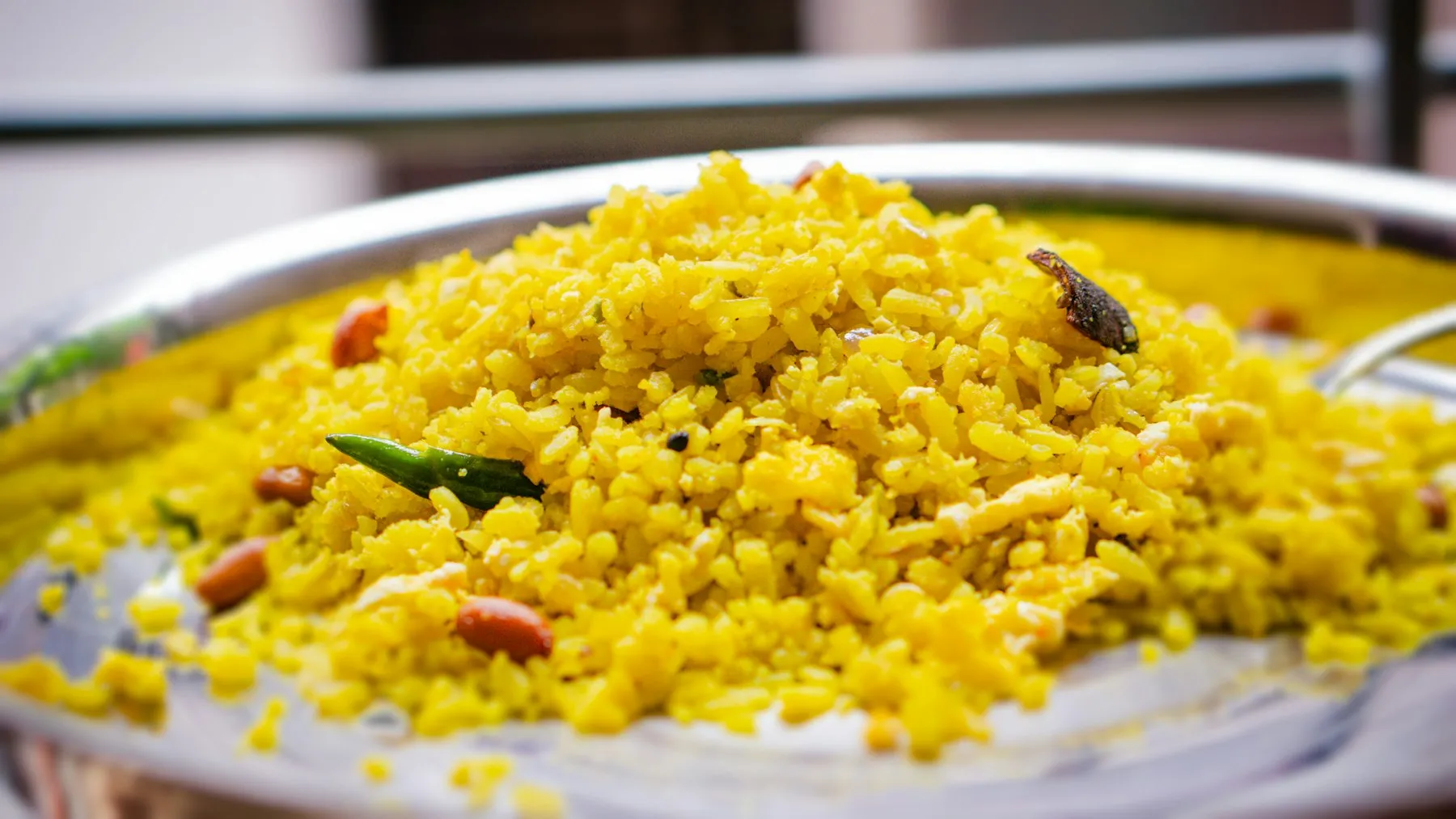
Plate piled with yellow tempered rice with peanuts, curry leaves and a dried chili
Photo: litoon dev on Unsplash · photo shows a similar dish

Tamarind rice is cooked rice coated in a thick, tangy and spicy tamarind paste. In Tamil Nadu it is puliyodarai or puli sadam, and in Andhra and Telangana it is pulihora. It is often made as a temple offering, for festivals and for travel, partly because it tastes good at room temperature.

The work is in the paste, called pulikachal. This recipe makes enough for two batches: use half today and keep the rest in the fridge for a quick meal later.

Why this recipe works

  • Simmering the tamarind in sesame oil until the oil separates gives a deep, concentrated paste that keeps well.
  • A freshly roasted spice powder of coriander, dals, sesame and fenugreek adds the toasty aroma typical of puliyodarai.
  • Resting the mixed rice for 30 minutes lets every grain soak up the tang.

Tamarind Rice (Puliyodarai) recipe

By The JollyRoses Kitchen · 1 hr 25 min total · Medium

Ingredients

Servings 3

For the spice powder

For the tamarind paste (pulikachal)

For the rice

Equipment

  • Heavy skillet or kadai
  • Small dry skillet
  • Spice grinder
  • Mixing bowl or wide tray
  • Clean, dry glass jar

Instructions

  1. Soak the tamarind

    Soak the tamarind in the hot water for 15–20 minutes. Squeeze and mash it with your fingers, then strain through a sieve, pressing the pulp. You should have about 1¼ cups of thick extract; discard the fibers.

  2. Make the spice powder

    In a small dry skillet over medium-low heat, roast the coriander seeds, chana dal, urad dal, fenugreek, peppercorns and red chilies, stirring, until the dals are golden and fragrant, 3–4 minutes. Add the sesame seeds for the last 30 seconds until they start to pop. Cool, then grind to a fine powder.

  3. Temper in sesame oil

    Heat the ¼ cup sesame oil in a heavy skillet over medium heat. Fry the peanuts until golden, then add the mustard seeds. When they pop, add the chana dal, urad dal and red chilies and fry until the dals are golden. Add the curry leaves, asafoetida and turmeric and stir for a few seconds.

  4. Cook the paste

    Pour in the tamarind extract and add the salt and jaggery. Simmer over medium-low heat, stirring often, until the mixture is thick and glossy and the oil separates at the edges, 15–20 minutes.

  5. Add the spice powder

    Stir in about 2 tablespoons of the spice powder and cook for 1 minute more. Turn off the heat. The paste thickens further as it cools.

  6. Mix with the rice

    Spread the cooled rice in a wide bowl or tray, drizzle with the 1 tablespoon sesame oil and sprinkle with the salt. Add about half of the paste (along with plenty of the peanuts) and the remaining spice powder, and fold gently until evenly coated. Taste and add more paste if you like it stronger.

  7. Rest before serving

    Cover and let the rice rest for at least 30 minutes so it absorbs the flavor. Serve at room temperature.

Tips for the best tamarind rice (puliyodarai)

  • Cook the paste until the oil clearly separates. A paste that is still watery tastes raw and spoils sooner.
  • Use rice cooked a little firm and fully cooled so the grains stay whole when you mix.
  • Tamarind strength varies by brand. Start with half the paste and add more a spoonful at a time.
  • If you use tamarind concentrate, start with 2 tablespoons stirred into 1 cup of water and taste; concentrates are much stronger than block tamarind.
  • Many packaged asafoetida blends contain wheat flour; use a gluten-free brand or leave it out if needed.

Substitutions

Homemade spice powder2–3 tablespoons store-bought puliyogare or puliyodarai powder.
Sesame oilPeanut oil. If you use sesame oil, choose untoasted Indian sesame (gingelly) oil, not the dark toasted kind used in East Asian cooking.
JaggeryBrown sugar, or leave it out for a sharper tang.
PeanutsCashews, or leave them out for a nut-free version.

Storing and reheating

Paste: cool completely, spoon into a clean, dry glass jar with a thin layer of oil on top and refrigerate for up to 2 weeks; always use a dry spoon. Freeze in small portions for up to 3 months. Mixed rice: refrigerate within 2 hours of cooking the rice (count the resting time) and eat within 3 days.

What to serve with tamarind rice (puliyodarai)

Frequently asked questions

What is the difference between puliyodarai and pulihora?
Both are tamarind rice. Puliyodarai is the Tamil version, usually made with a roasted spice powder that includes sesame and fenugreek. Andhra pulihora often skips the powder and leans on chilies and mustard, and is sometimes made with lemon instead of tamarind.
How long does tamarind paste for puliyodarai last?
Cooked until the oil separates and stored in a clean, dry jar in the fridge, it keeps for up to 2 weeks. Always use a dry spoon, and freeze it for longer storage.
Can I use tamarind concentrate for tamarind rice?
Yes. Concentrate is stronger than block tamarind, so dilute about 2 tablespoons in 1 cup of water, taste, and adjust before cooking the paste.
Why is tamarind rice served at room temperature?
The flavor develops as the rice rests, and it holds up well without reheating, which is one reason it is a popular travel and temple food. For food safety, do not keep it out for more than 2 hours.
Is tamarind rice vegan?
Yes, this version is vegan. Some temple-style recipes finish with ghee, which makes them vegetarian.

Rate this recipe

Made it? Tap a star to rate — no sign-up needed.

Reviews

No reviews yet.

Sign in to write a review and share a photo of your tamarind rice (puliyodarai).

You might also like

All indian rice