South Indian Breakfast · South Indian

Soft Idli

An idli recipe for soft, fluffy steamed rice cakes: soak, grind and ferment idli rice and urad dal, then steam. Tips for cold kitchens and no idli stand.

By The JollyRoses Kitchen · Updated
Prep
30 min
Cook
40 min
Total
18 hr 10 min
Serves
6
Vegan Medium Main Course Includes 17 hr hands-off
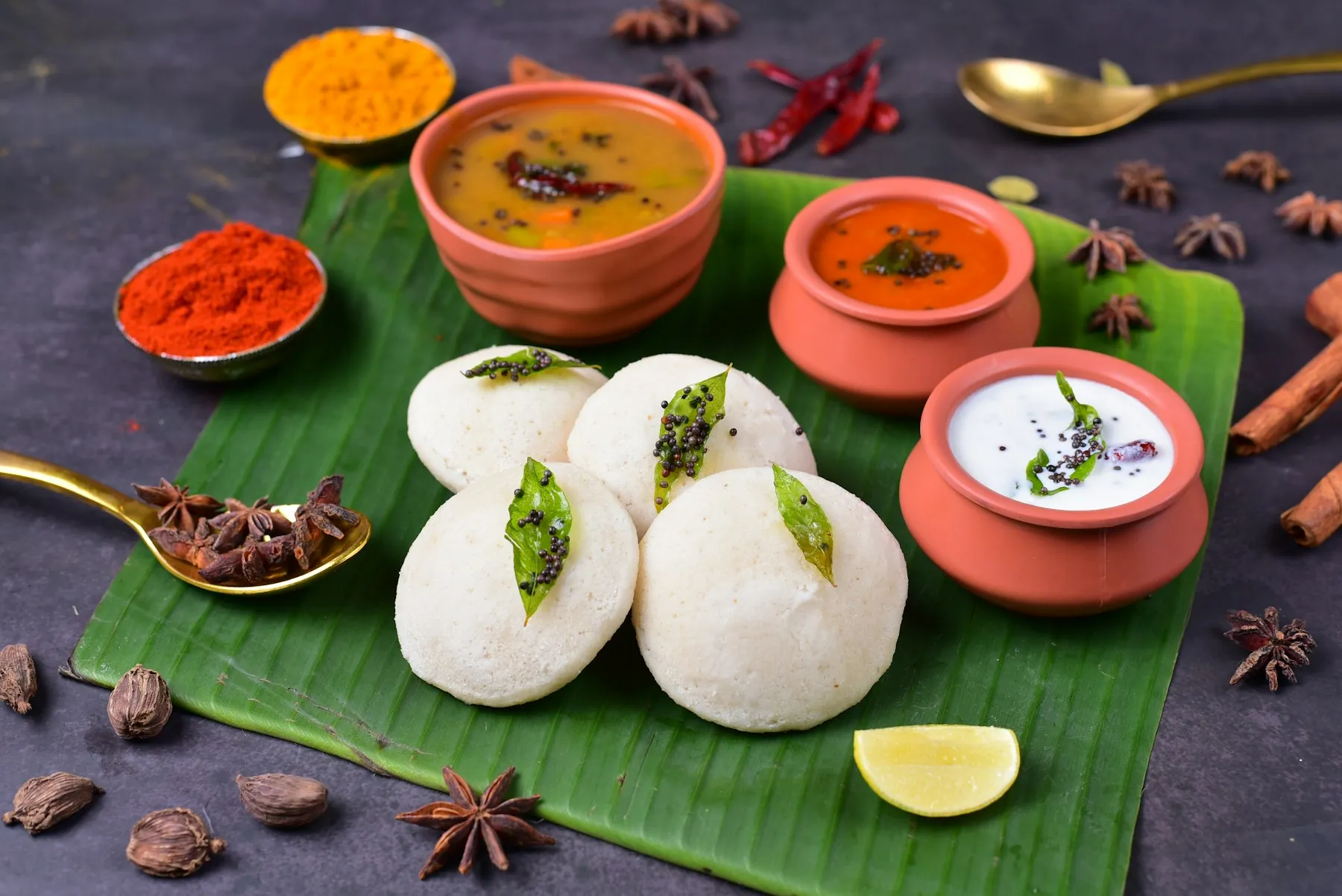
Idlis topped with curry leaves on a banana leaf, with terracotta bowls of sambar, chutney and yogurt and scattered whole spices
Photo: PRATEEK JAISWAL on Unsplash

Idli are small, round steamed cakes made from a fermented batter of rice and urad dal (split black gram, skinned). They are an everyday breakfast across South India, served with sambar and coconut chutney.

The hands-on work is short, but the batter needs time: about 5 hours of soaking and an overnight ferment. Start the soak in the morning, grind in the afternoon, and steam the next day. This batch makes roughly 24–30 idlis.

Why this recipe works

  • A 4:1 ratio of idli rice to urad dal gives idlis that are soft but still hold their shape.
  • Grinding the dal separately until light and fluffy traps air, which is what makes the idlis spongy.
  • Optional poha (flattened rice) and fenugreek seeds add extra softness and help the batter ferment.
  • Clear signs to look for at each stage, so you know when the batter is ready rather than relying on the clock.

Soft Idli recipe

By The JollyRoses Kitchen · 18 hr 10 min total · Medium

Ingredients

Servings 6

For the batter

For steaming

Equipment

  • Wet grinder or high-powered blender
  • Large bowl or container (at least twice the volume of the batter)
  • Idli stand with molds and a large pot or idli steamer (see tips for alternatives)
  • Butter knife or spoon for unmolding

Instructions

  1. Rinse and soak

    Rinse the rice in several changes of water until the water runs mostly clear, then cover with plenty of fresh water. In a separate bowl, rinse the urad dal with the fenugreek seeds and cover with water. Soak both for 4–6 hours. If using poha, rinse it and add it to the rice for the last 30 minutes.

  2. Grind the urad dal

    Drain the dal and fenugreek and grind with about ½ cup of the cold water, adding it gradually. In a wet grinder this takes 15–20 minutes; in a blender, run it in short bursts for 3–5 minutes so the motor does not heat the batter. It is ready when it is smooth, thick, very light and has grown noticeably in volume. Scrape into the large bowl.

  3. Grind the rice

    Drain the rice and poha and grind with about ¾ cup cold water to a slightly grainy batter, like fine cream of wheat when rubbed between your fingers. It does not need to be perfectly smooth. Add it to the dal batter.

  4. Mix and salt

    Add the salt and mix the two batters together thoroughly for 1–2 minutes; many cooks use a clean hand for this. The batter should be thick but pourable, dropping from a spoon in a slow ribbon. Add a splash more water only if it is stiff.

  5. Ferment

    Cover loosely (not airtight) and leave in a warm spot, ideally 80–90 °F (27–32 °C), for 8–14 hours. It is ready when it has risen clearly, often close to double, looks bubbly and smells pleasantly sour. In a cool kitchen it can take up to 18–24 hours; see the tips.

  6. Set up the steamer

    Pour about 1 inch (2.5 cm) of water into the idli steamer or a large pot that fits your stand and bring it to a boil. Lightly oil the idli molds.

  7. Fill and steam

    Without stirring hard (you want to keep the air), gently fold the batter once or twice. Fill each mold about three-quarters full, set the stand in the pot, cover and steam over medium-high heat for 10–12 minutes. A toothpick inserted in the center should come out clean.

  8. Rest and unmold

    Turn off the heat and let the idlis rest for 4–5 minutes, then lift out the stand. Dip a spoon or butter knife in water and run it around each idli to release it. Repeat with the remaining batter, and refrigerate any batter you will not use today.

Tips for the best soft idli

  • Cold kitchen: ferment the batter in the oven with only the oven light on (check that it stays warm, not hot), in an Instant Pot on the low yogurt setting with a loose lid, or wrapped in a towel near a warm appliance. Expect it to take longer, and judge by rise, bubbles and sour smell rather than time.
  • Use cold water for grinding, especially in a blender. Overheated batter can turn out dense and ferment unevenly.
  • Leave headroom: fill the fermenting container no more than halfway, as the batter can spill over in a warm kitchen.
  • No idli stand? Steam the batter in small greased stainless steel bowls or heatproof ramekins on a rack in a covered pot. They will be thicker and flatter than classic idlis, so allow a few extra minutes and use the toothpick test.
  • Hard or flat idlis usually mean under-fermented batter, too much water in the batter, or under-ground dal. Very sour batter usually means it fermented too long or too warm.

Substitutions

Idli rice or parboiled riceIdli rava (coarse rice semolina), rinsed, soaked briefly, squeezed and mixed into the ground dal instead of grinding rice. Most cooks use about 2 parts idli rava to 1 part urad dal by volume.
Whole urad dalSplit skinned urad dal works the same way; it may absorb a little less water when grinding.
PohaLeave it out, or grind about ¼ cup cooked rice with the soaked rice for similar softness.
Fermenting from scratchReady-made idli/dosa batter from an Indian grocery store; bring it to room temperature and steam as in step 7.

Storing and reheating

Refrigerate fermented batter in a covered container as soon as it is ready and use within 4–5 days; it grows more sour each day. Discard it if it smells unpleasant or alcoholic rather than pleasantly sour, turns pink or grey, or shows any mold. Cooked idlis keep in the fridge in an airtight container for up to 3 days, or freeze in a single layer, then bag, for up to 1 month. Reheat by steaming for 3–5 minutes (from frozen, 8–10 minutes) or microwave covered with a damp paper towel.

What to serve with soft idli

Frequently asked questions

What is the ratio of rice to urad dal for idli?
A common home ratio is 4 parts idli or parboiled rice to 1 part urad dal by volume, as in this recipe. Some cooks use 3:1 for slightly softer, more delicate idlis.
Why are my idlis hard?
The usual causes are batter that has not fermented enough, urad dal that was not ground until light and fluffy, or too much rice in the ratio. Make sure the batter has risen and smells sour before steaming.
How do I know when idli batter is fermented?
It will have risen clearly, often close to double, look bubbly and airy, and smell pleasantly sour. If it looks the same as when you mixed it, give it more time in a warmer spot.
How long do you steam idli?
About 10–12 minutes over boiling water for standard idli molds. A toothpick inserted in the center should come out clean. Rest them 4–5 minutes before unmolding.
Can I make idli without an idli stand?
Yes. Steam the batter in small greased steel bowls or ramekins set on a rack in a covered pot. The shape will differ and thicker portions need a few more minutes.
Is idli vegan and gluten-free?
Plain idli is made from rice, urad dal, salt and water, so it is naturally vegan and gluten-free. Check any accompaniments, such as sambar with asafoetida, which can contain wheat flour.

Rate this recipe

Made it? Tap a star to rate — no sign-up needed.

Reviews

No reviews yet.

Sign in to write a review and share a photo of your soft idli.

You might also like

All south indian breakfast
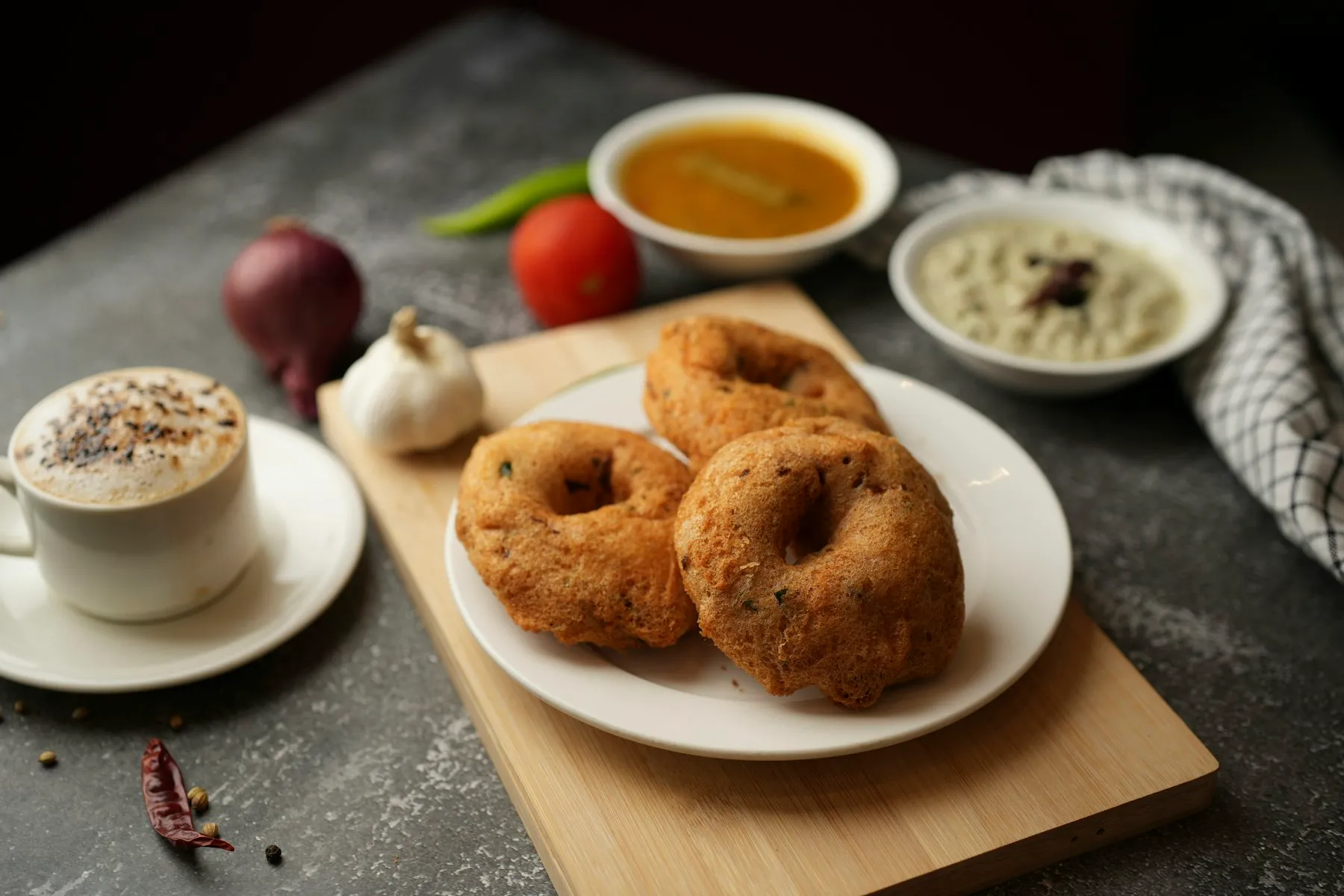
Three medu vadas on a white plate with bowls of sambar and coconut chutney and a cup of coffee
VeganSouth Indian

Medu Vada

4 hr 45 min Medium Serves 4